From 9 January 2026
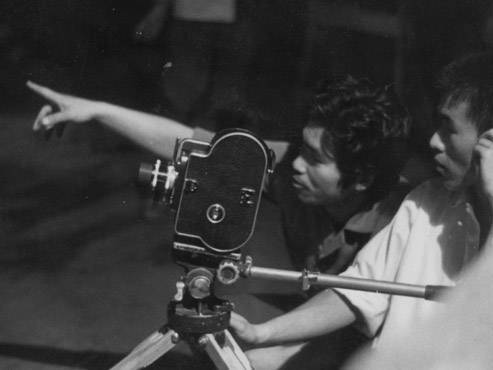
In Focus: Adachi Masao — FILM POLITICS REVOLUTION presents a concise selection of works by Adachi Masao spanning more than fifty years. Centred on AKA Serial Killer (1969) and the UK premiere run of his latest film, Escape (2025), the programme highlights key dimensions of Adachi’s practice: underground experimentation and pink political cinema, the development of landscape theory, militant newsreel, and later works.
Born in 1939, Adachi Masao is one of the most uncompromising figures in postwar Japanese counter-cinema. As a scriptwriter and filmmaker, he played a central role in the development of politically radical pink cinema, using its low-budget sexploitation framework as a vehicle for formal invention and provocation, mobilised for militant politics and social critique. His first films, emerging from the Nihon University Film Study Club and the rising leftist student protest movement of the early 1960s, articulated an experimental and surreal vision shaped by political allegory. He became a key figure within Tokyo’s underground scene, collaborating with filmmakers such as Wakamatsu Kōji and Ōshima Nagisa. As a scriptwriter and filmmaker, he played a central role in the development of politically radical pink cinema, using its low-budget sexploitation framework as a vehicle for formal invention and provocation, mobilised for political and social critique. Adachi’s confrontational work has consistently engaged critically with the political and social conditions of its moment, conceiving cinema as a tool for political intervention and revolutionary action.
In 1969, Adachi collaborated with critic Matsuda Masao and others on AKA Serial Killer, a film prompted by the murders committed by a young man, reconstructing his life through the spaces he would have encountered in his life. It is a landmark of Japanese political cinema and the foundational articulation of landscape theory (fūkeiron) — an approach that critiques capitalist modernity by treating the increasingly homogenised urban, rural, and industrial landscapes of postwar Japan as sites where state authority, social oppression, and postwar modernisation become visible. Landscape theory has extended beyond cinema, intersecting with photography, and criticism, and it continues to inform contemporary discussions around representation and political hegemony.
Two years later, travelling to Lebanon with Wakamatsu Kōji, Adachi co-directed Red Army/PFLP: Declaration of World War (1971) with the Red Army Faction and the Popular Front for the Liberation of Palestine. Conceived as a newsreel in support of Palestinian resistance, the film was grounded in internationalism and anti-imperialist struggle. It marked a decisive turn toward a new theory and practice of filmmaking as propaganda and reportage, conceiving cinema itself as a direct call to struggle. The film was not released theatrically; instead, it was brought to Japanese universities and elsewhere by volunteers mobilised into a film-screening campaign. In 1974, Adachi left filmmaking to join the Palestinian struggle in Lebanon, where he remained for over two decades before being extradited to Japan in 2000.
Following a hiatus of more than three decades, Adachi returned to cinema and has since continued to make films, often with very low budgets. His later works draw on his life and experience of revolutionary struggle and take the form of portraits that examine political commitment and militancy, considering how revolutionary collective ideals and belief systems are articulated and sustained within individual lives. These films continue Adachi’s long-standing commitment to a “cinema of actuality”: a practice of responding directly and urgently to political events through film. They engage political history and philosophy, allegory, and ongoing formal experimentation, bringing contemporary actuality into dialogue with historical reflection. Films such as Prisoner/Terrorist (2007), Artist of Fasting (2016), Revolution+1 (2022), and Escape (2025) mount a critique of Japan’s contemporary political landscape, reaffirming Adachi’s longstanding conception of cinema as a site of political confrontation and debate.
Programme co-curated by Hirasawa Gō and Ricardo Matos Cabo.
With thanks to Adachi Masao.
In Focus: Adachi Masao — FILM POLITICS REVOLUTION presents a concise selection of works by Adachi Masao spanning more than fifty years. Centred on AKA Serial Killer (1969) and the UK premiere run of his latest film, Escape (2025), the programme highlights key dimensions of Adachi’s practice: underground experimentation and pink political cinema, the development of landscape theory, militant newsreel, and later works.
Born in 1939, Adachi Masao is one of the most uncompromising figures in postwar Japanese counter-cinema. As a scriptwriter and filmmaker, he played a central role in the development of politically radical pink cinema, using its low-budget sexploitation framework as a vehicle for formal invention and provocation, mobilised for militant politics and social critique. His first films, emerging from the Nihon University Film Study Club and the rising leftist student protest movement of the early 1960s, articulated an experimental and surreal vision shaped by political allegory. He became a key figure within Tokyo’s underground scene, collaborating with filmmakers such as Wakamatsu Kōji and Ōshima Nagisa. As a scriptwriter and filmmaker, he played a central role in the development of politically radical pink cinema, using its low-budget sexploitation framework as a vehicle for formal invention and provocation, mobilised for political and social critique. Adachi’s confrontational work has consistently engaged critically with the political and social conditions of its moment, conceiving cinema as a tool for political intervention and revolutionary action.
In 1969, Adachi collaborated with critic Matsuda Masao and others on AKA Serial Killer, a film prompted by the murders committed by a young man, reconstructing his life through the spaces he would have encountered in his life. It is a landmark of Japanese political cinema and the foundational articulation of landscape theory (fūkeiron) — an approach that critiques capitalist modernity by treating the increasingly homogenised urban, rural, and industrial landscapes of postwar Japan as sites where state authority, social oppression, and postwar modernisation become visible. Landscape theory has extended beyond cinema, intersecting with photography, and criticism, and it continues to inform contemporary discussions around representation and political hegemony.
Two years later, travelling to Lebanon with Wakamatsu Kōji, Adachi co-directed Red Army/PFLP: Declaration of World War (1971) with the Red Army Faction and the Popular Front for the Liberation of Palestine. Conceived as a newsreel in support of Palestinian resistance, the film was grounded in internationalism and anti-imperialist struggle. It marked a decisive turn toward a new theory and practice of filmmaking as propaganda and reportage, conceiving cinema itself as a direct call to struggle. The film was not released theatrically; instead, it was brought to Japanese universities and elsewhere by volunteers mobilised into a film-screening campaign. In 1974, Adachi left filmmaking to join the Palestinian struggle in Lebanon, where he remained for over two decades before being extradited to Japan in 2000.
Following a hiatus of more than three decades, Adachi returned to cinema and has since continued to make films, often with very low budgets. His later works draw on his life and experience of revolutionary struggle and take the form of portraits that examine political commitment and militancy, considering how revolutionary collective ideals and belief systems are articulated and sustained within individual lives. These films continue Adachi’s long-standing commitment to a “cinema of actuality”: a practice of responding directly and urgently to political events through film. They engage political history and philosophy, allegory, and ongoing formal experimentation, bringing contemporary actuality into dialogue with historical reflection. Films such as Prisoner/Terrorist (2007), Artist of Fasting (2016), Revolution+1 (2022), and Escape (2025) mount a critique of Japan’s contemporary political landscape, reaffirming Adachi’s longstanding conception of cinema as a site of political confrontation and debate.
Programme co-curated by Hirasawa Gō and Ricardo Matos Cabo.
With thanks to Adachi Masao.
Programme
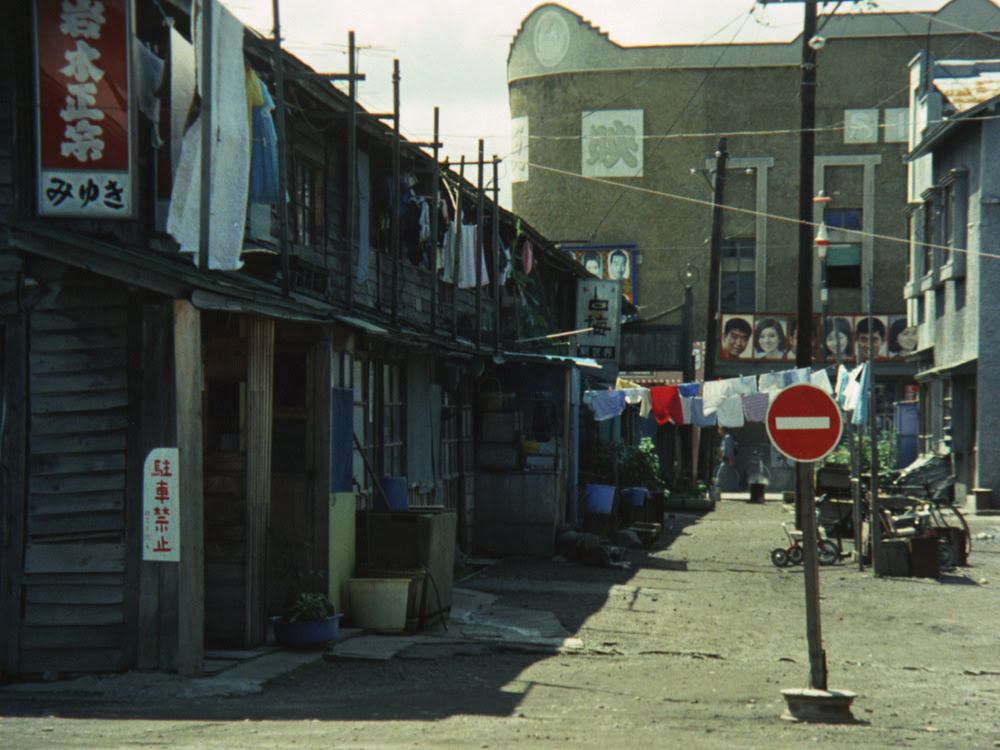
From Friday 9 January
AKA Serial Killer (Restored Version)
Made in 1969, AKA Serial Killer is a landmark of Japanese political cinema and the foundational work of landscape theory. Prompted by the murders committed by the young Nagayama Norio in 1968, the film reconstructs his life through the spaces he would have encountered, treating the urban and industrial landscapes of late-1960s Japan as sites where postwar modernisation, social oppression, and state authority are visible and intertwined.
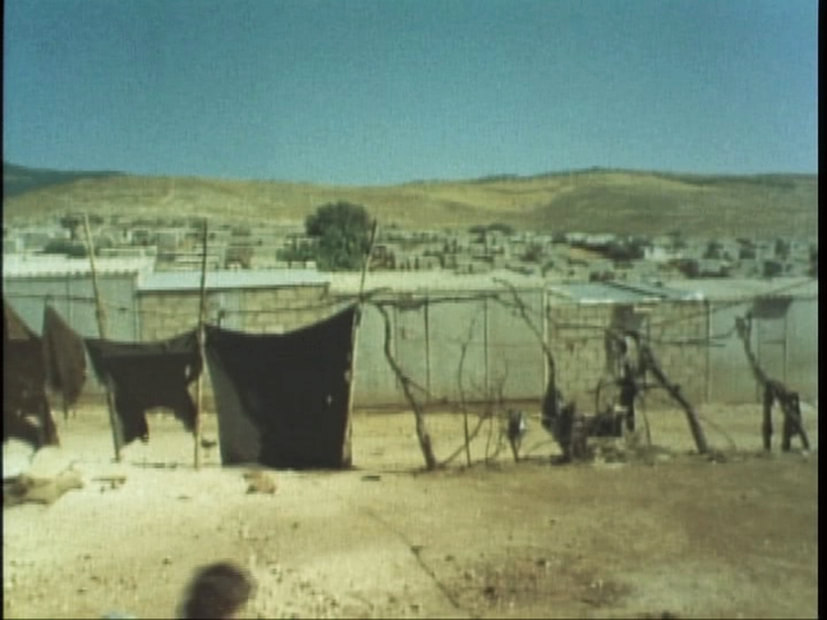
Saturday 10 January, 2.15pm
Red Army/PFLP: Declaration of World War + introduction
Made in 1971, Adachi and Wakamatsu travelled to Beirut amid the international revolutionary movements of the late 1960s. Working with the Red Army Faction and the PFLP, this newsreel documents the daily life and training of Palestinian guerrillas within a wider international anti-imperial struggle, marking the transition of landscape theory into questions of media, militant propaganda, and reportage, and circulating through a volunteer-run film-screening campaign.
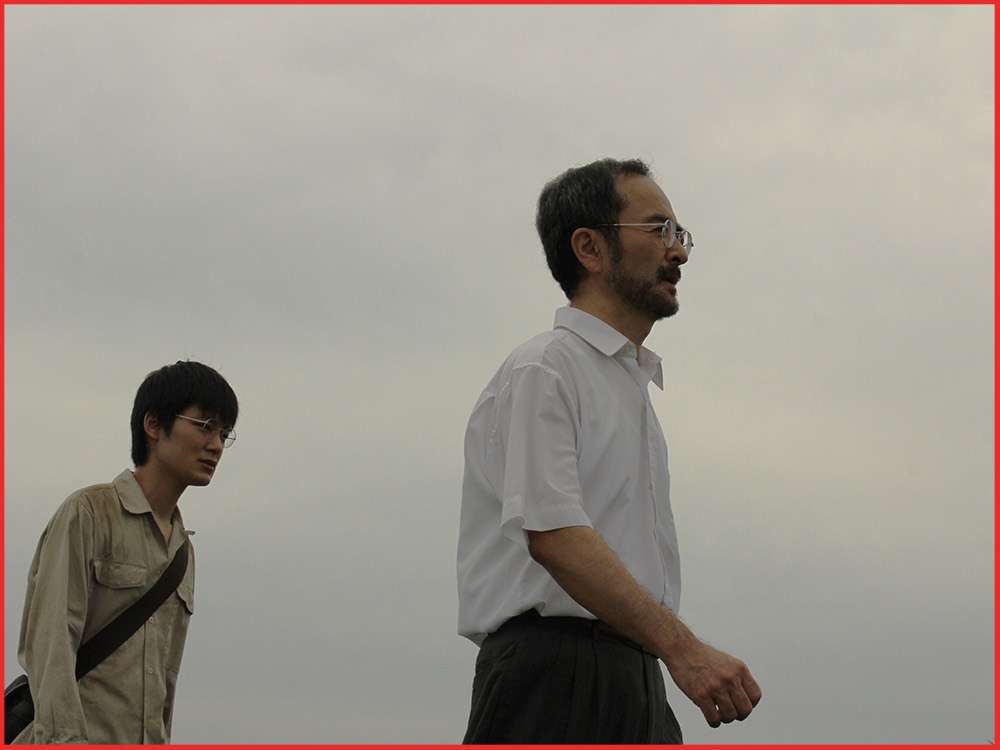
From Friday 16 January
Escape
A former member of the East Asian Anti-Japanese Armed Front’s “Scorpion Cell,” Kirishima Satoshi spent decades underground, living quietly under an alias as a wanted fugitive. As he confronts terminal illness in 2024, his years on the run resurface. Juxtaposing these final moments with his own revolutionary past, Adachi Masao portrays Kirishima’s anguish and determination in Escape.
Saturday 17 January, 2.20pm
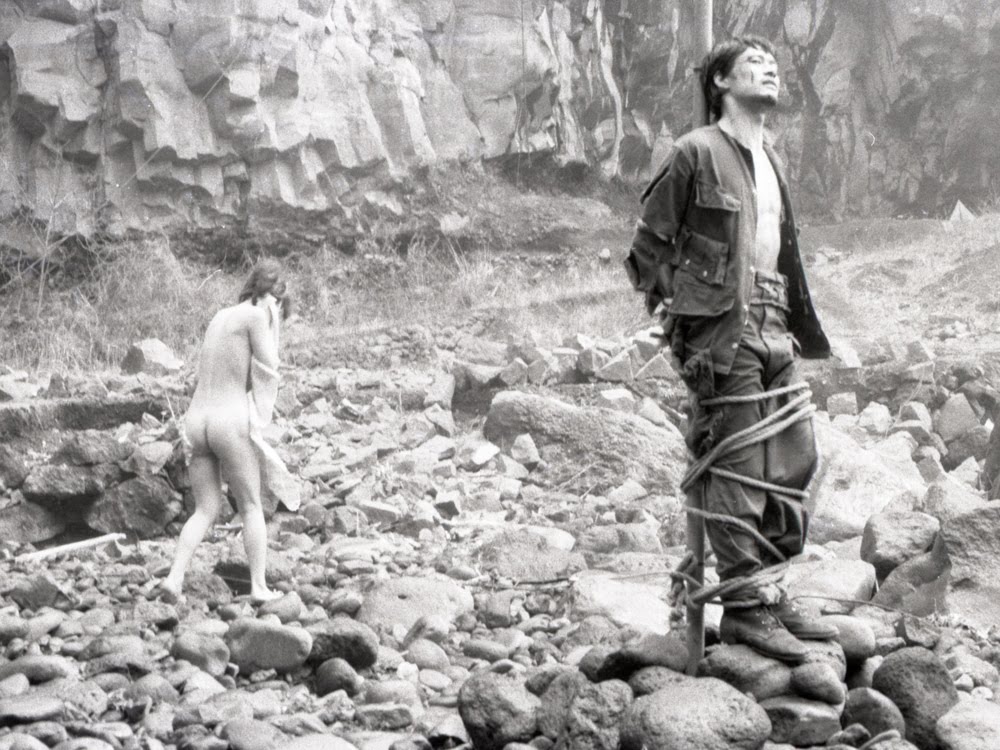
Female Student Guerrilla + introduction
Made in 1969, Female Student Guerrilla mixes political provocation with the transgressive, psychosexual elements of pink cinema, using the genre as a vehicle for satirical self-critique within revolutionary rhetoric, through the story of five high schoolers who take up arms and embark on a guerrilla-style revolution in the mountains.
Wednesday 21 January, 6.30pm
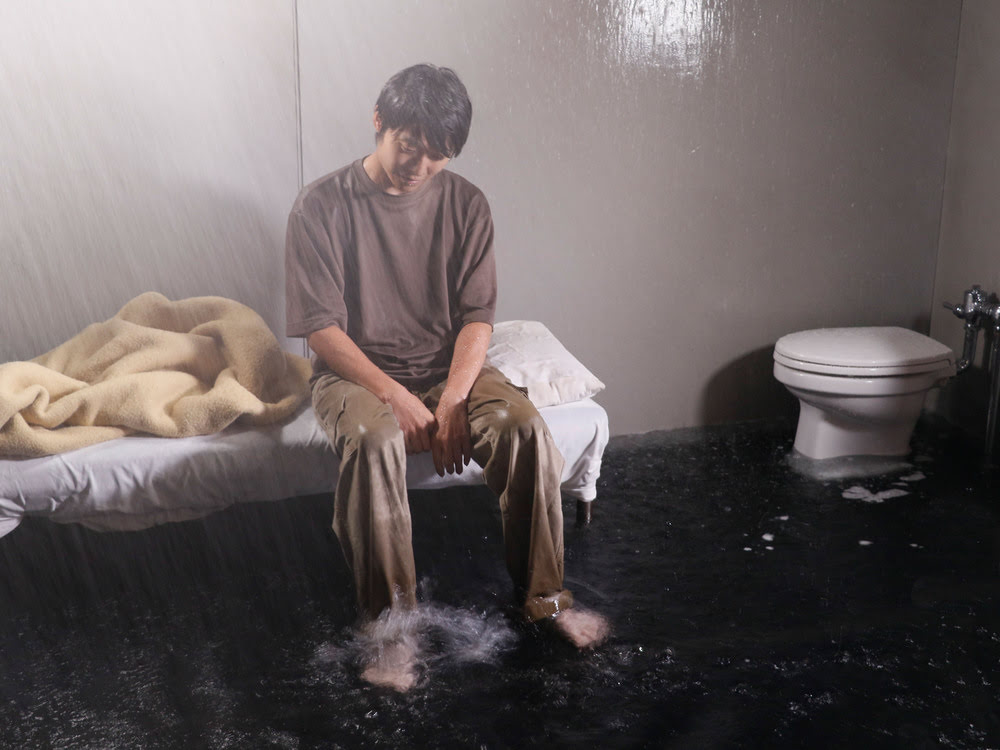
Revolution+1
Revolution+1 offers a fictionalised account of the man who assassinated former Prime Minister Abe Shinzō in 2022, focusing on the social and economic pressures that shaped his life. Made and circulated with striking speed, the film continues Adachi Masao’s examination of political power, social inequality, and contemporary Japan.
From Friday 9 January
AKA Serial Killer (Restored Version)
Made in 1969, AKA Serial Killer is a landmark of Japanese political cinema and the foundational work of landscape theory. Prompted by the murders committed by the young Nagayama Norio in 1968, the film reconstructs his life through the spaces he would have encountered, treating the urban and industrial landscapes of late-1960s Japan as sites where postwar modernisation, social oppression, and state authority are visible and intertwined.
Saturday 10 January, 2.15pm
Red Army/PFLP: Declaration of World War + introduction
Made in 1971, Adachi and Wakamatsu travelled to Beirut amid the international revolutionary movements of the late 1960s. Working with the Red Army Faction and the PFLP, this newsreel documents the daily life and training of Palestinian guerrillas within a wider international anti-imperial struggle, marking the transition of landscape theory into questions of media, militant propaganda, and reportage, and circulating through a volunteer-run film-screening campaign.
From Friday 16 January
Escape
A former member of the East Asian Anti-Japanese Armed Front’s “Scorpion Cell,” Kirishima Satoshi spent decades underground, living quietly under an alias as a wanted fugitive. As he confronts terminal illness in 2024, his years on the run resurface. Juxtaposing these final moments with his own revolutionary past, Adachi Masao portrays Kirishima’s anguish and determination in Escape.
Saturday 17 January, 2.20pm
Female Student Guerrilla + introduction
Made in 1969, Female Student Guerrilla mixes political provocation with the transgressive, psychosexual elements of pink cinema, using the genre as a vehicle for satirical self-critique within revolutionary rhetoric, through the story of five high schoolers who take up arms and embark on a guerrilla-style revolution in the mountains.
Wednesday 21 January, 6.30pm
Revolution+1
Revolution+1 offers a fictionalised account of the man who assassinated former Prime Minister Abe Shinzō in 2022, focusing on the social and economic pressures that shaped his life. Made and circulated with striking speed, the film continues Adachi Masao’s examination of political power, social inequality, and contemporary Japan.