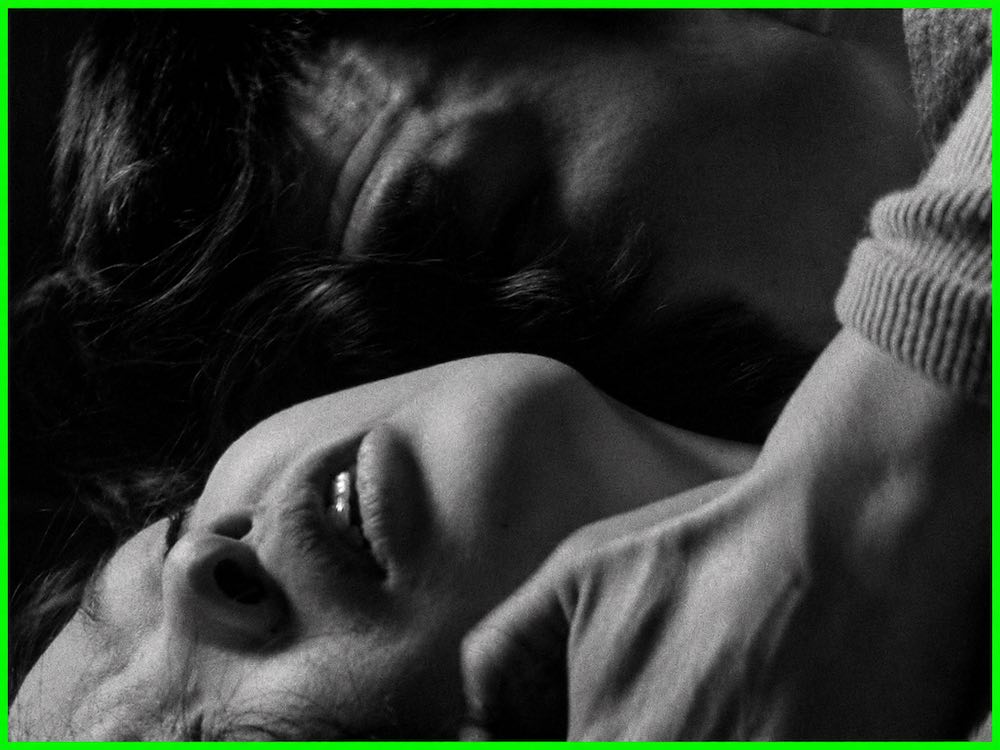
Long Takes
“I am interested in the relationship of the lower part of the human body and the lower part of the social structure on which the reality of daily Japanese life obstinately supports itself.” – Shōhei Imamura
One of the most important filmmakers to emerge from Japan’s post-war era, Shōhei Imamura’s unruly, inventive and often anthropological approach to cinema is singular in the medium’s history. The ICA is delighted to present the first major retrospective of Imamura’s work in the UK in more than twenty-five years.
This comprehensive retrospective includes new restorations, rarely seen works, contextualising screenings and guest introductions, and will be accompanied by a new monograph dedicated to Imamura’s work.
“Imamura has given the world of cinema images that can be found nowhere else.” – Audie Bock
About Shōhei Imamura
As he was so often apt to point out, Imamura held little interest or love for the class he was raised in, nor for the idealised images of his country produced in the aftermath of WWII. Instead, his admiration and curiosity lay with the working class and the people that official histories so easily and readily forget.
Spanning more than five decades, Imamura’s body of work traces an alternative history of a nation, one that emerges not from textbooks or official decrees, but from the very character of its people.
Early life and post-war Japan
Born in Tokyo in 1926, the third son of a middle-class family, Imamura enrolled at Waseda University to study Western History, but quickly began neglecting his studies in favour of student theatre and radical politics. Emperor Hirohito’s radio address announcing Japan’s defeat in WWII proved to be a watershed moment for the young Imamura, in his words “suddenly everything became free”. Imamura embraced this freedom first hand, making his living from the flourishing black markets by buying illicit cigarettes and liquor from American GIs to sell to his professors, and spending much of his time hanging around with the pimps, sex workers, and petty gangsters for whom the market represented a means of survival.
Shochiku, Ozu and Kawashima
While his experiences during these years would dramatically shape the films he would go on to make less than a decade later, Imamura would ultimately depart his black market endeavours (at least officially), first to graduate university and then to pursue his long-held passion for drama by entering Shochiku’s assistant director programme. Over the next few years Imamura would serve brief but influential apprenticeships with two iconic filmmakers. The first with Yasujirō Ozu, whose formal mastery even the brash young Imamura couldn’t deny, but whose regimented approach to directing his actors rubbed him entirely the wrong way, was unsurprisingly short-lived. It was under the mentorship of Yūzō Kawashima, however, that Imamura found a more enduring influence. Kawashima's irreverence, humour, and fascination with society's outsiders offered a model from which Imamura could proceed with reckless abandon.
Imamura’s cinema
Spanning more than five decades, Imamura’s body of work traces an alternative history of a nation, one that emerges not from textbooks or official decrees, but from the very character of its people. Endlessly animated by the clash between the primitive and the civilised, Imamura’s cinema revels in the messiness of life, from its vulgarity to its profundity, doing so with a formal approach that is as unruly as it is rigorous. At once exuberant, irreverent and profoundly human, Imamura's cinema reminds us that history is not only written from above but lived from below.
As Imamura himself once said: “What is a human being? I look for the answer by continuing to make films."
Further information about the monograph will be announced in due course.
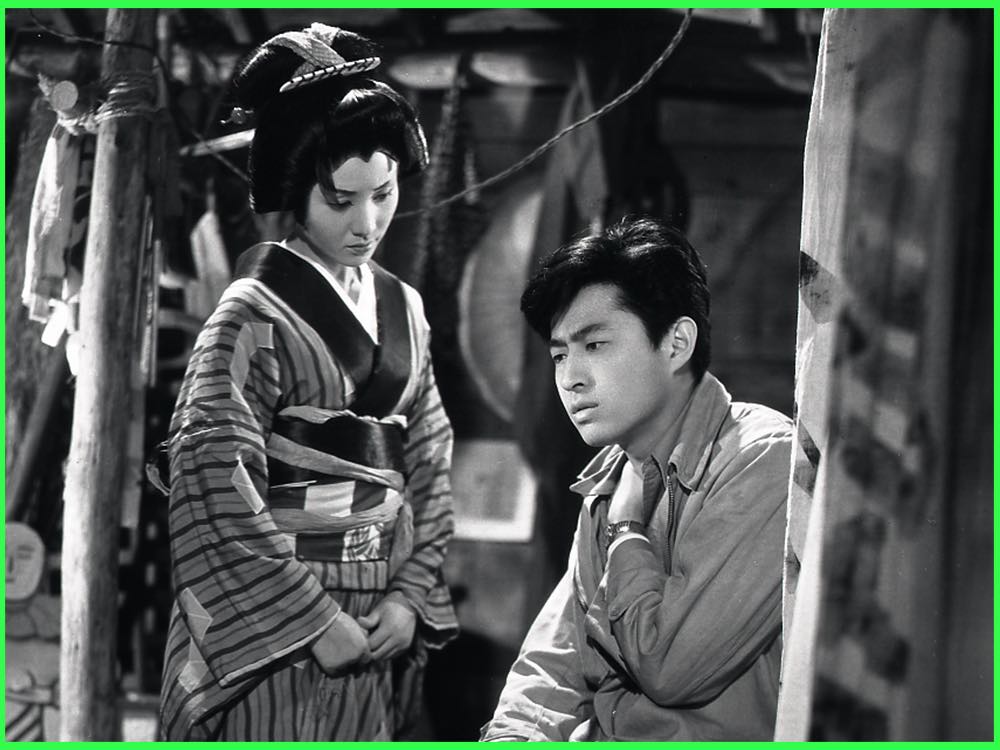
Thursday 22 October, 6.30pm
Stolen Desire
Assigned with adapting a story that shared striking parallels with his own life, Shōhei Imamura’s debut feature tells the tragi-comic tale of a down-and-out kabuki troupe and their idealistic young director, who finds himself caught between artistic ambition and his other, decidedly more carnal, desires.
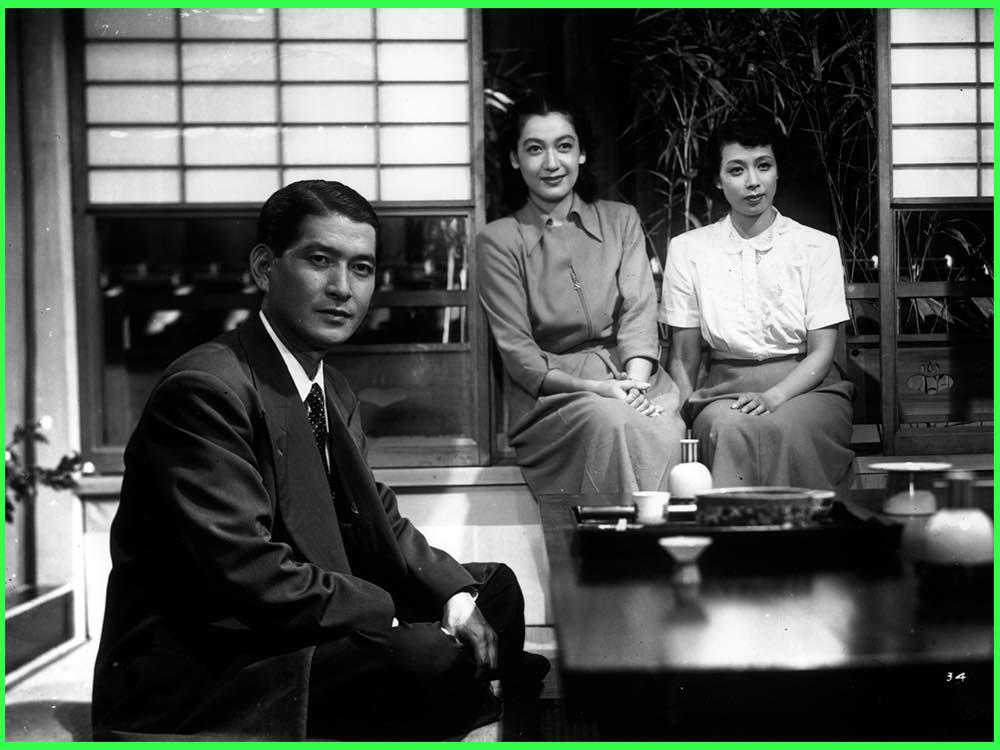
Saturday 24 October, 1.30pm
Early Summer
The young Shōhei Imamura began his apprenticeship under Yasujirō Ozu with this tender portrait of the happily unmarried Noriko (Setsuko Hara), whose unexpected response to mounting pressure to marry quietly unsettles three generations of her family.
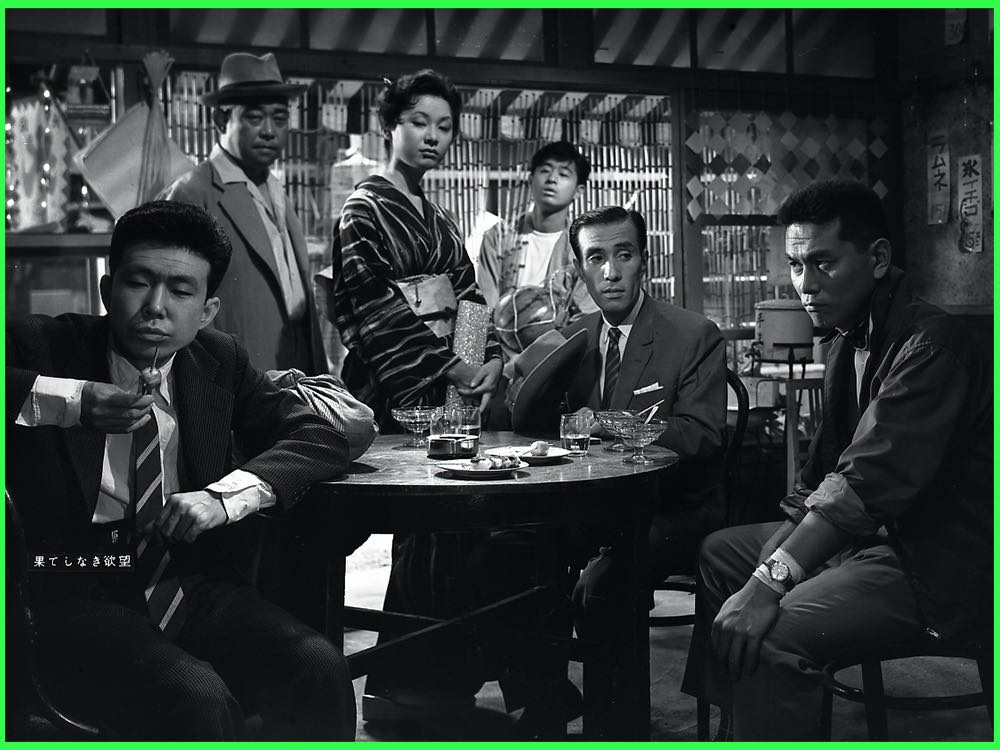
Saturday 24 October, 4pm
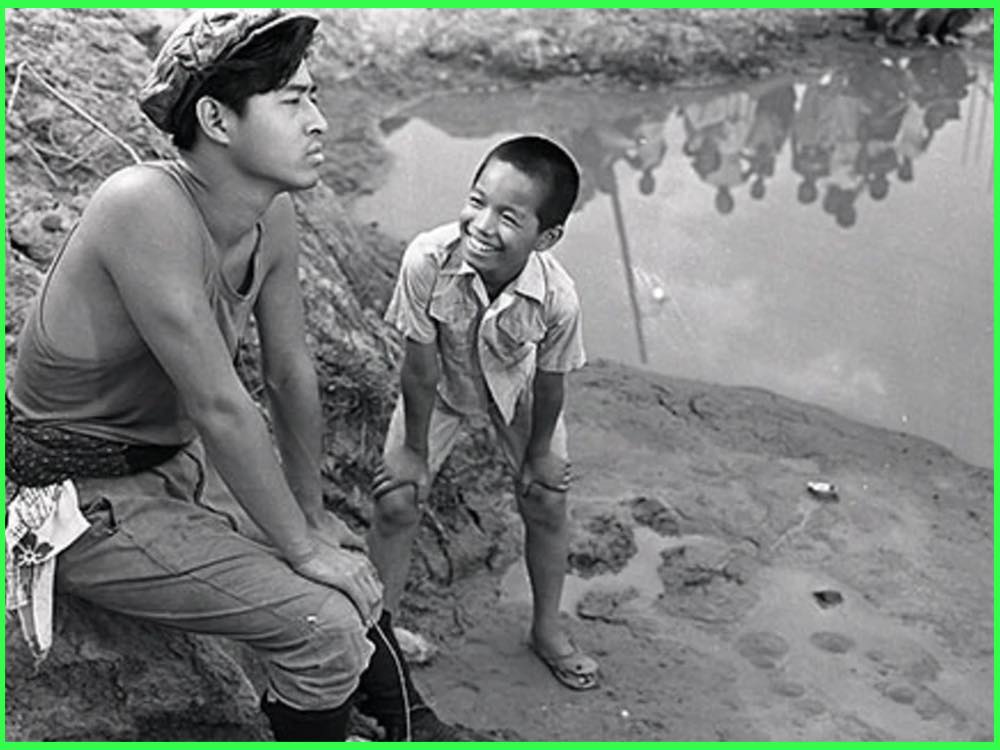
Endless Desire
A group of WWII veterans gather ten years on to recover a cache of morphine hidden during the final days of the war which is now worth millions. From this ‘B’ movie premise Imamura crafts an idiosyncratic study of post-war Japan as the gang's desperate attempts to retrieve the treasure are beset by a whole host of obstacles, not least their own increasingly venal amorality.
Sunday 25 October, 2.30pm
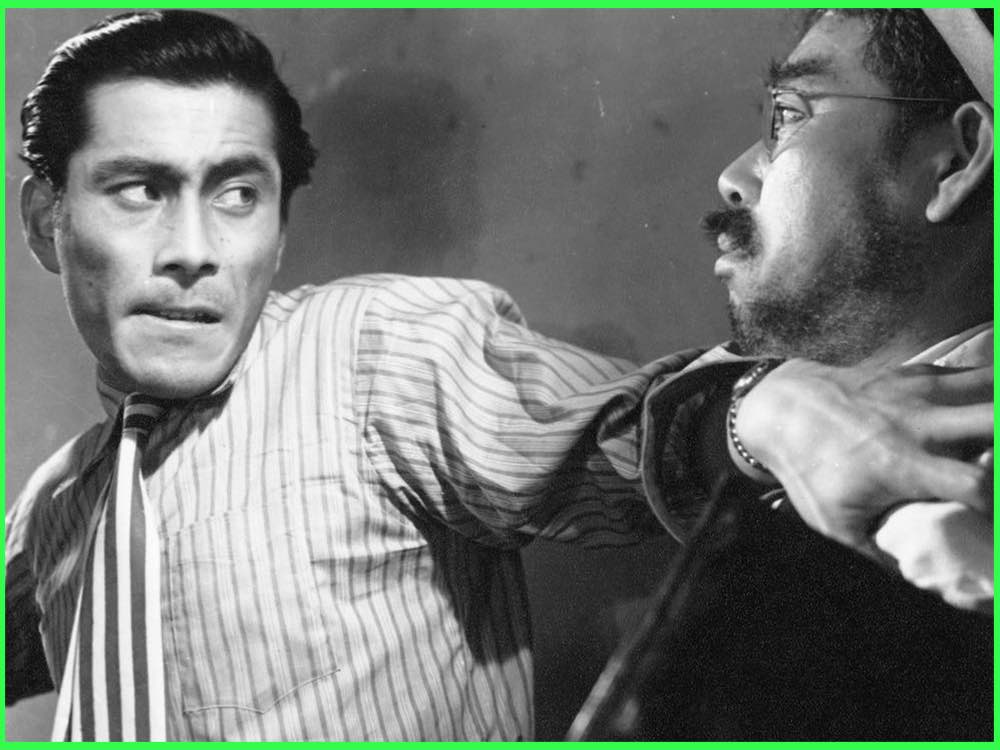
Nishi Ginza Station + My Second Brother
This double bill brings together two outliers from Imamura’s time as a director-for-hire for Nikkatsu, a minor comedy centred upon a henpecked husband's extra-marital affair and a profoundly tender exploration of the attempts of four orphaned children to make their way in the world, in the face of seemingly insurmountable odds.
Tuesday 27 October, 6.30pm
Members' Screening
Drunken Angel on 35mm
The film that inspired Shōhei Imamura to become a filmmaker, Akira Kurosawa’s tale of the unlikely bond between a sickly Yakuza and an alcoholic doctor is a blackly humorous tragedy steeped in the swamped ruins of postwar Japan.
Thursday 29 October, 6.30pm
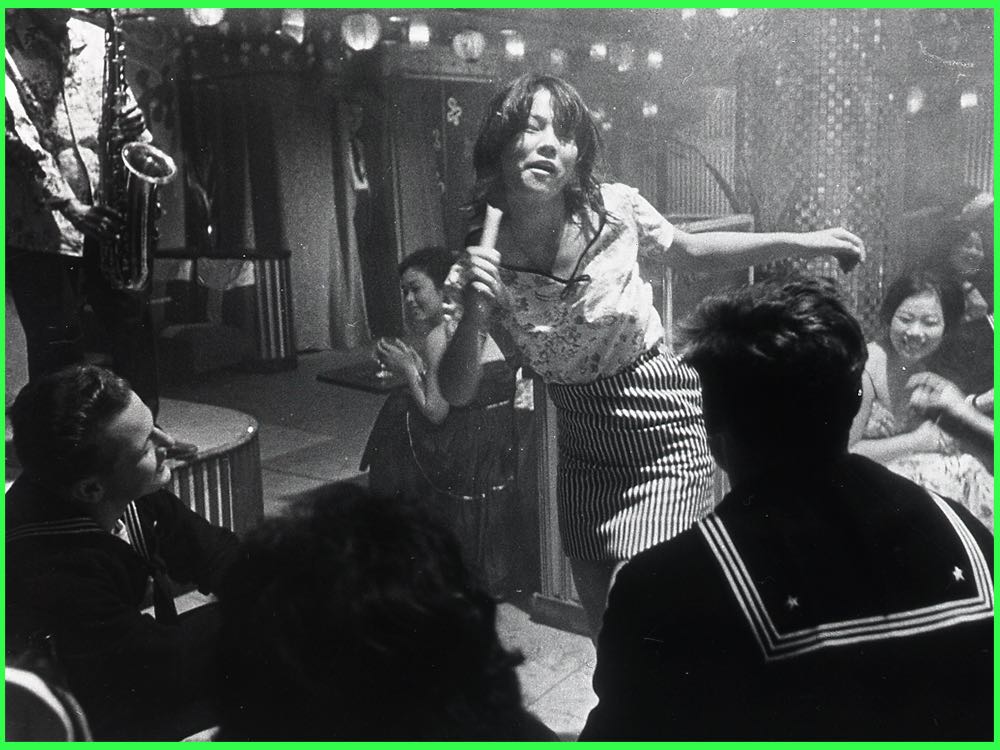
Pigs and Battleships
A riotous state of the union delivered in dazzling monochrome NikkatsuScope, Shōhei Imamura’s break-out film is a tale of shifting loyalties and naked ambition centred upon a young couple and their desperate attempts to navigate a sea of small-time gangsters, corrupt businessmen, and occupying soldiers in the port town of Yokosuka.
Saturday 31 October, 1.30pm
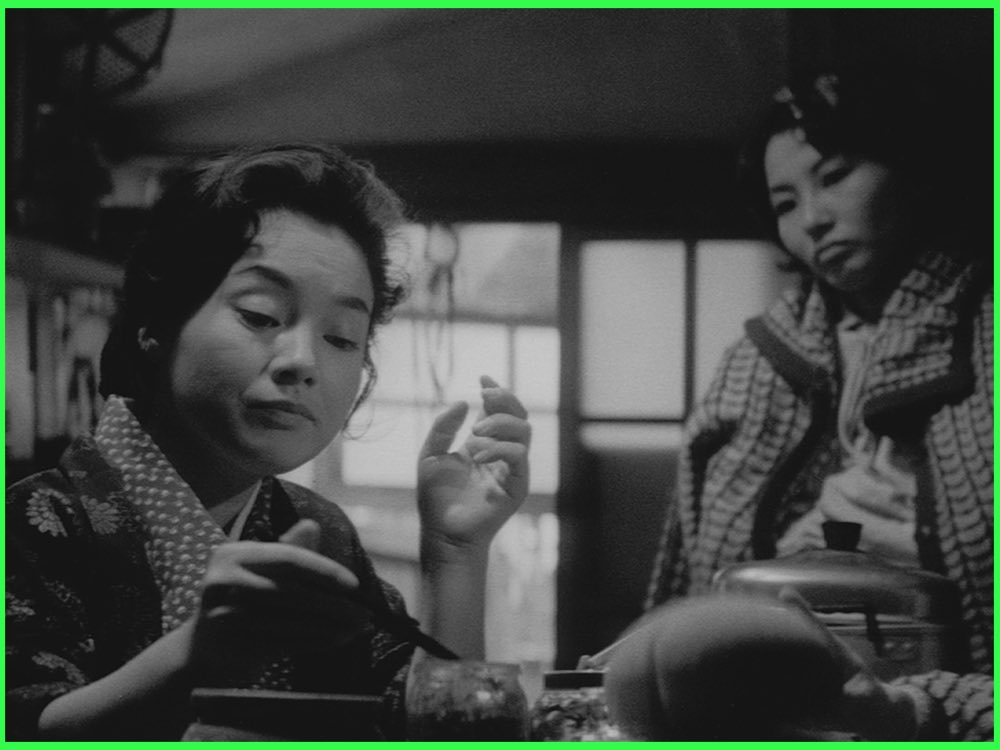
The Insect Woman
The old maxim that to live is to suffer finds its crystalline realisation in Shōhei Imamura’s decade-spanning portrait of a woman’s desperate will to survive, as she struggles through a century of social change and upheaval beset at every turn by poverty and tragedy.
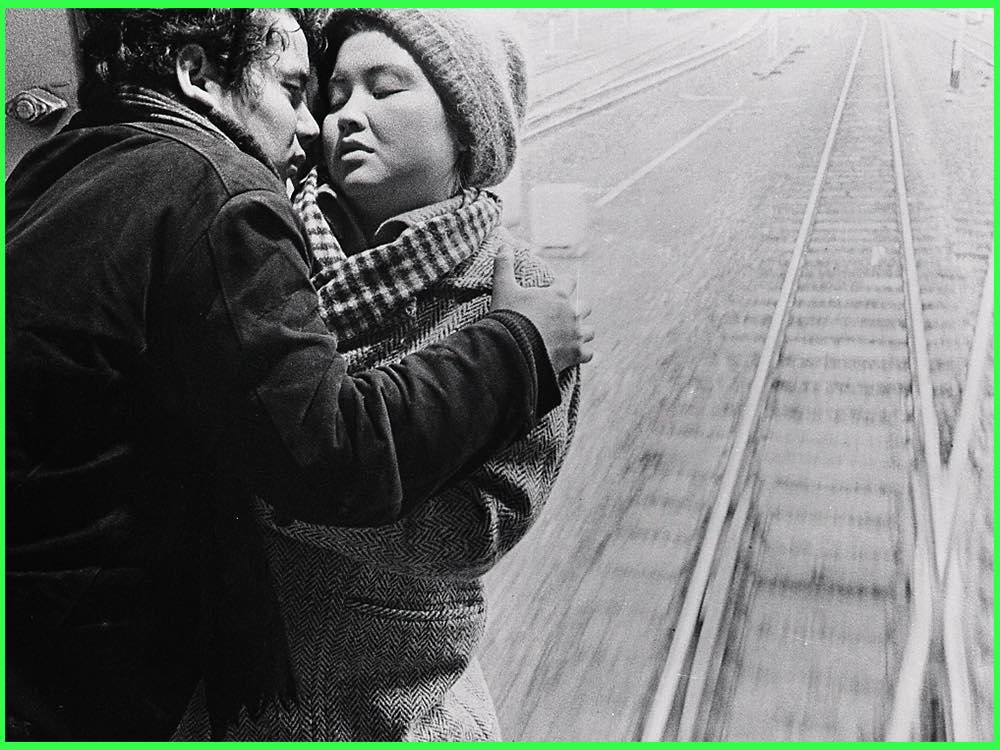
Sunday 1 November, 2pm
Intentions of Murder
A refracted b-side to its more famous predecessor, Imamura followed up The Insect Woman with this unflinching treatise on the torturous patriarchal structures that undergird Japanese society and the immense suffering and trauma they unleash on a daily basis.
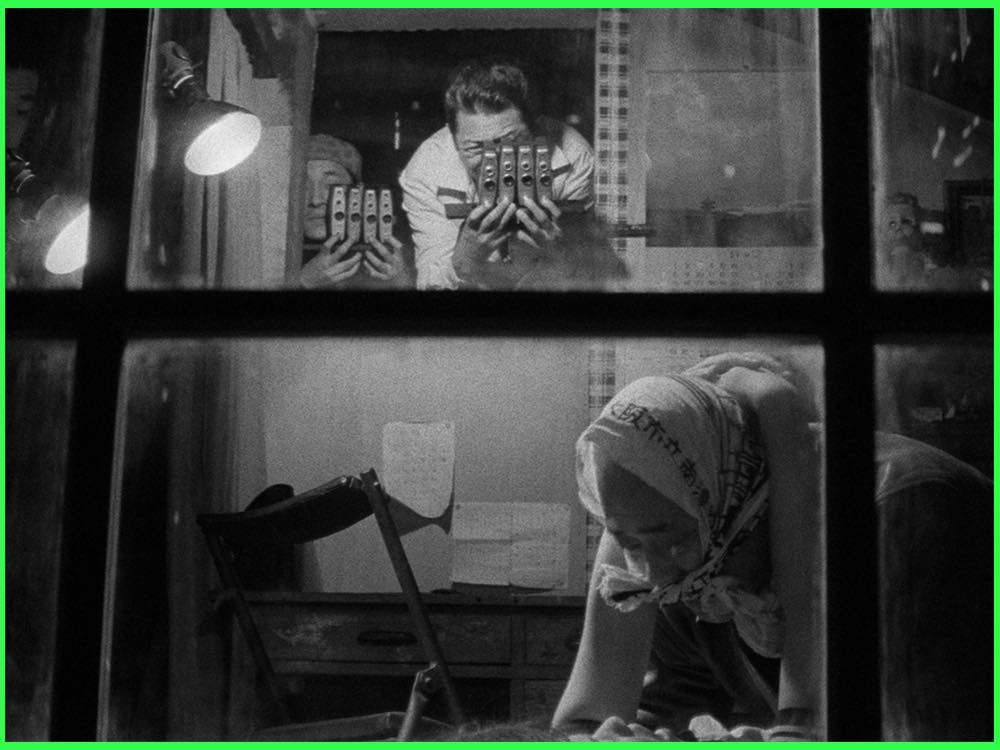
Tuesday 3 November, 6.30pm
The Pornographers
An unconventional family drama that subverts the genre Yasujirō Ozu made famous at almost every turn, Shōhei Imamura’s seventh feature continues his exploration of desire with a tale centred upon an affably pathetic small-time pornographer.
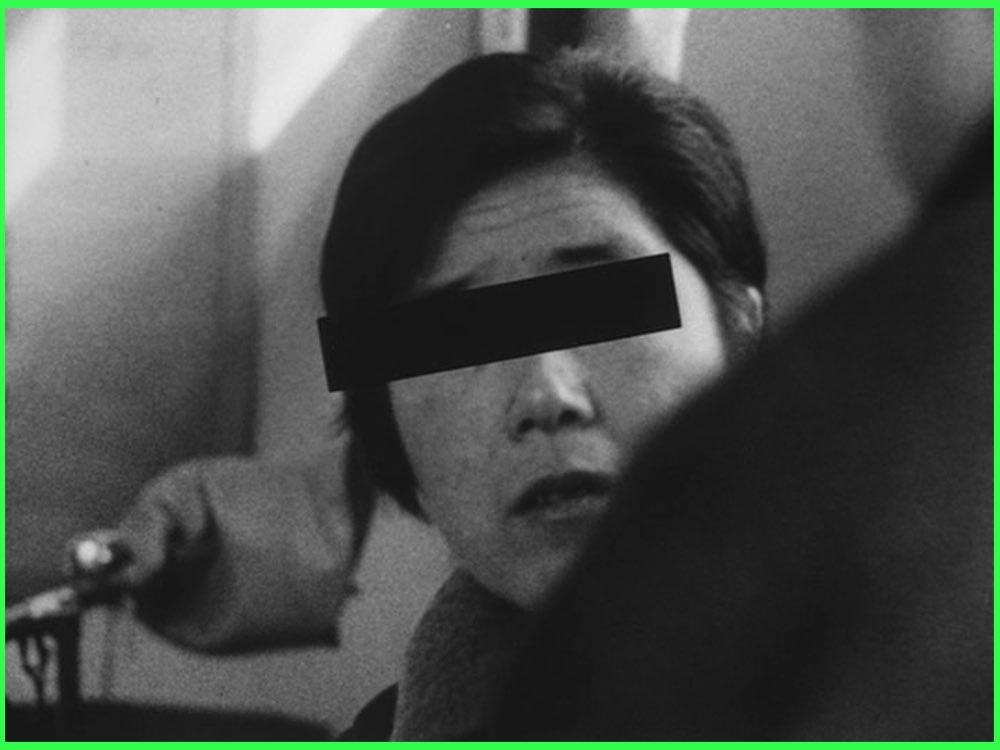
Saturday 7 November, 1pm
A Man Vanishes
Embroiled in controversy and debate surrounding the ethics of its creation, in particular the use of hidden cameras, Imamura’s first foray into documentary is a richly complex investigation into the disappearance of a Tokyo salesman that revels in the uncertainty inherent in its own creation.
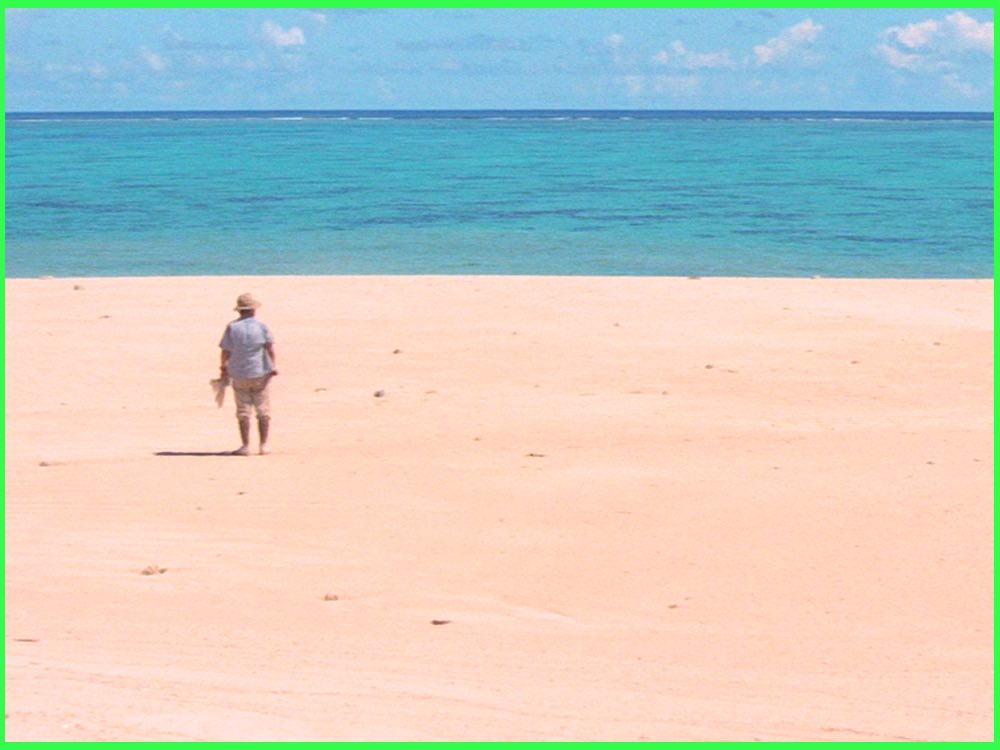
Sunday 8 November, 2pm
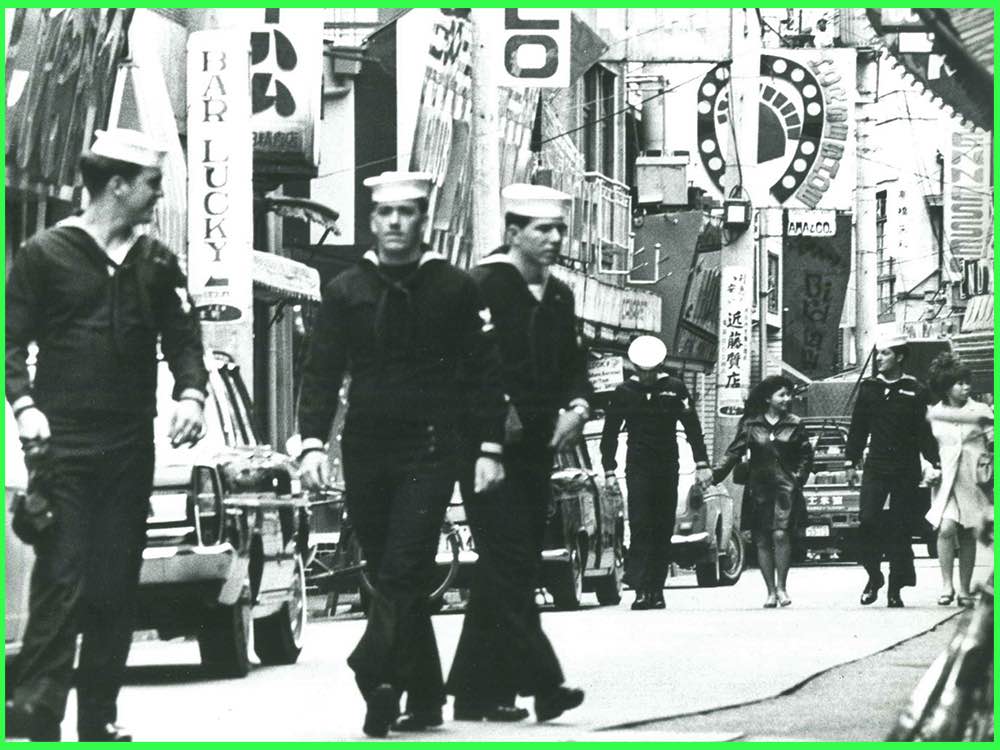
Profound Desires of the Gods
Shōhei Imamura’s explorations of the clash between the primitive and the civilised, logic and superstition reached their apotheosis in this visually spectacular epic centred upon a Tokyo engineer's visit to a remote tropical island and his slow slippage into the inhabitants primal way of life.
Thursday 12 November, 6.30pm
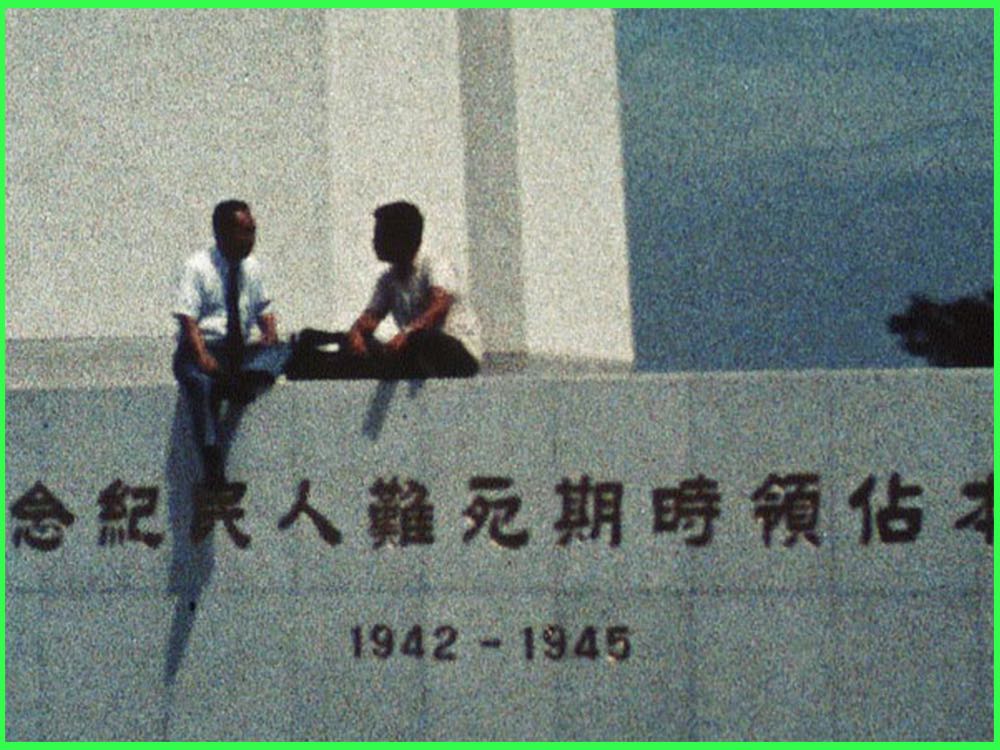
History of Postwar Japan as Told by a Bar Hostess
In the first of several documentaries he made during the 1970s, Imamura narrows in on the endlessly arresting figure of Madame Onboro, a bar hostess whose personal stories colour an alternative history of postwar Japan that also calls back to many of the people and places of Imamura’s previous films.
Sunday 15 November, 1.30pm
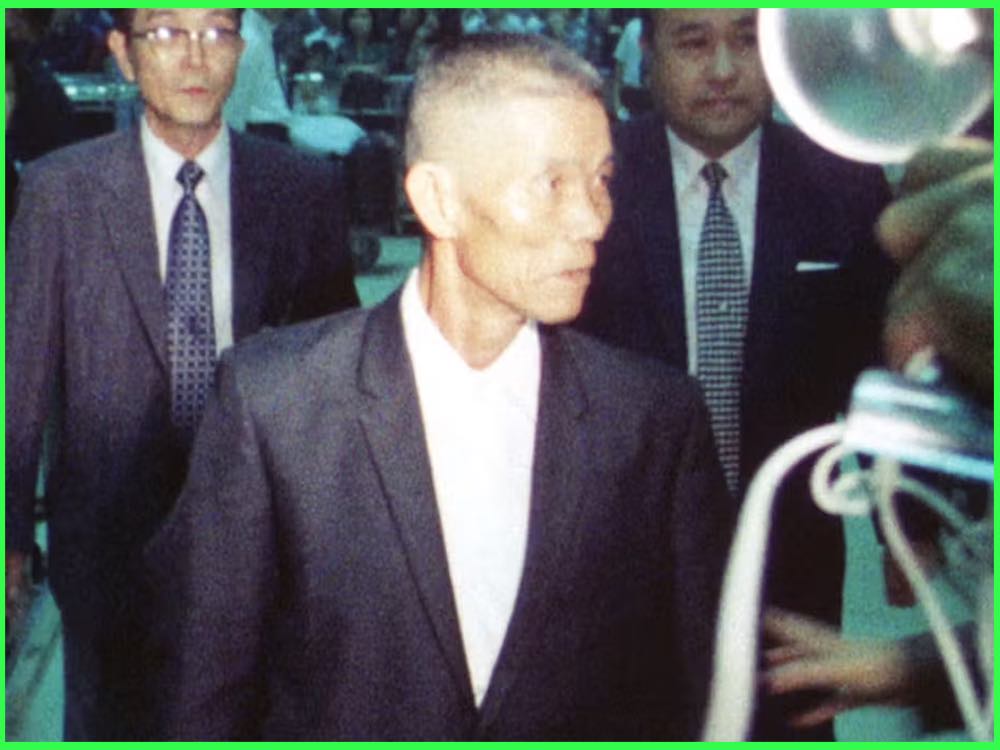
In Search of the Unreturned Soldiers
In this pair of documentaries made for television, Imamura travels to Malaysia and Thailand in search of Japanese soldiers who never returned after the war.
Sunday 15 November, 3.30pm
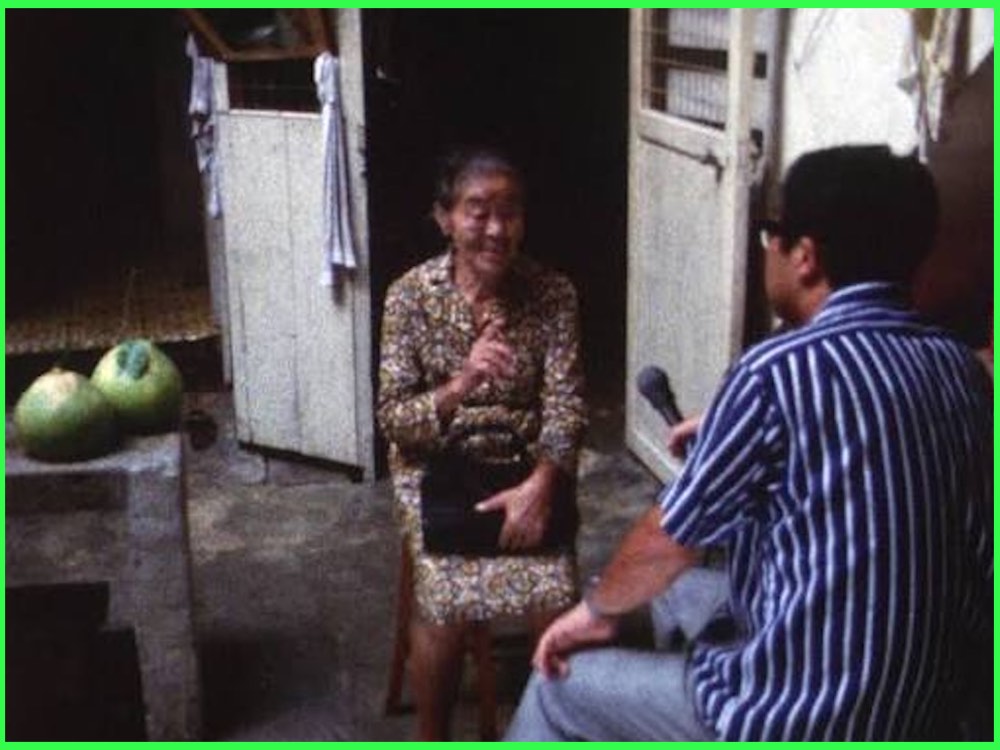
My Shimokita + The Pirates of Bubuan + Outlaw-Matsu Returns Home
The programme brings together three of Imamura’s mid-length television documentaries that turn distinctly toward the rural, the regional and the stateless: from the indigenous communities of the Sulu Archipelago, to Japanese soldiers who never returned home after WWII, to a more light-hearted portrait of Yūzō Kawashima, Imamura’s mentor's hometown in the hills of Shimokita.
Tuesday 17 November, 6.30pm
Karayuki-san: The Making of a Prostitute on 16mm
Shōhei Imamura continues his search for the “unreturned soldiers” of his earlier documentaries in a different form, looking for the female sex workers who had been deliberately forced to become “Japanese products at the front of Japan’s overseas development” in the late 1800s and mid-1900s across Asia, before prostitution was outlawed in Japan.
Tuesday 17 November, 8.30pm
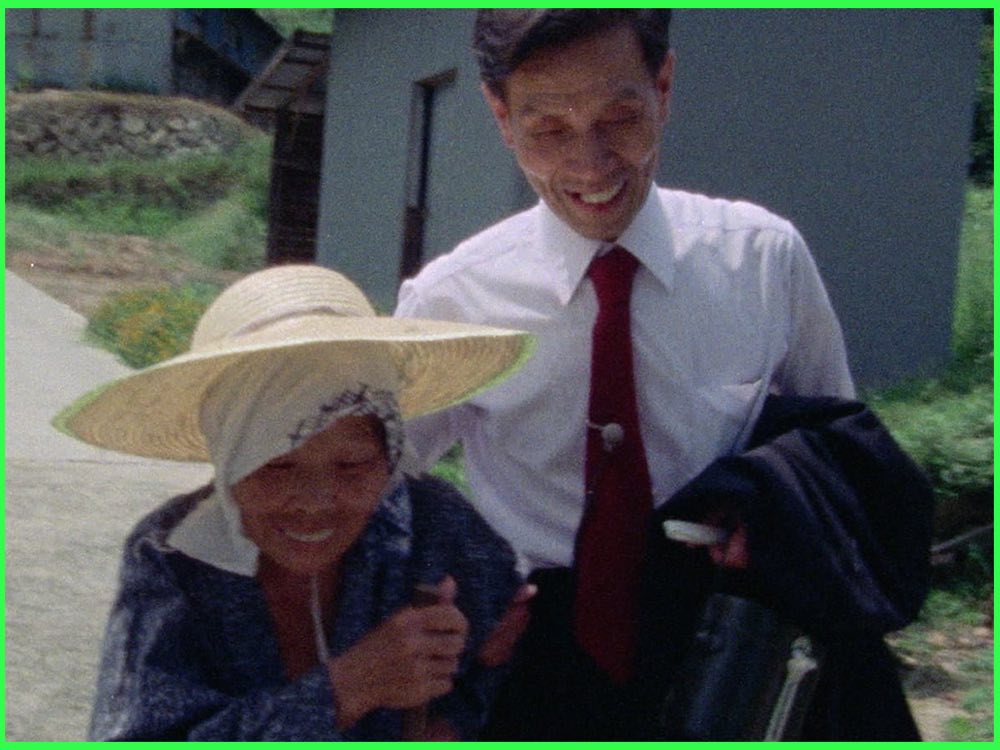
The Emperor's Naked Army Marches On
The notoriously affronting 1987 documentary, originally initiated by Imamura, is as much a portrait of Kenzo Okazaki – an ageing veteran who had survived the desperate battles in Papua New Guinea towards the end of the Second World War – as an investigative pursuit that seeks to uncover the atrocities committed by the Japanese Imperial Army. Hara’s landmark film observes Okazaki’s relentless – and increasingly violent and ethically dubious – pursuit of his former comrades.
Saturday 21 November, 2pm
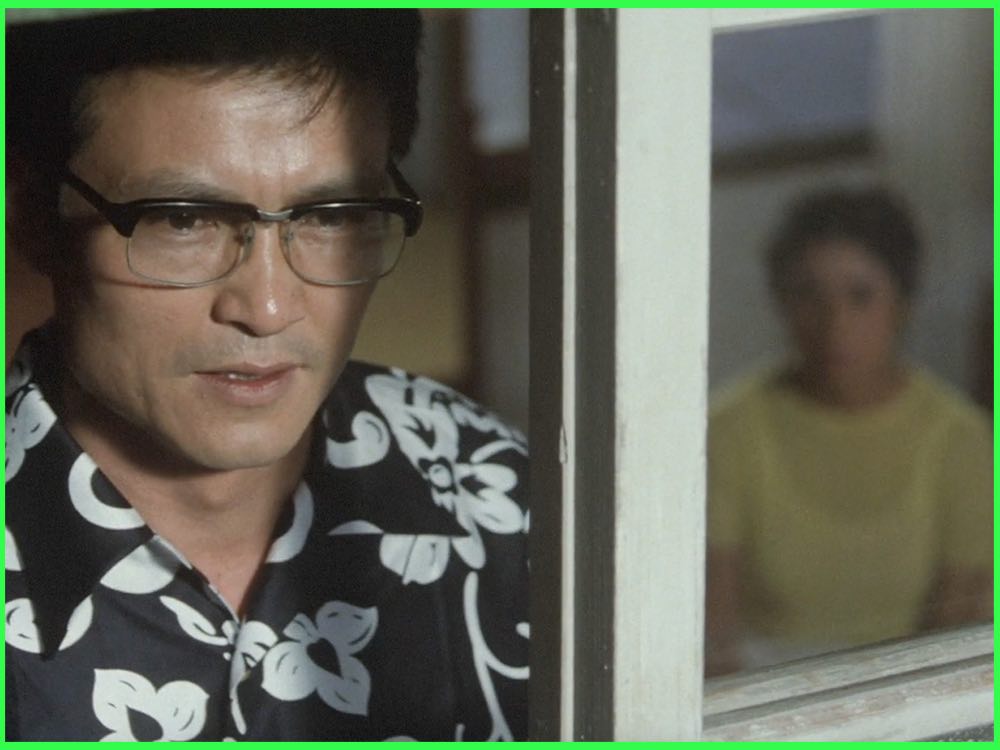
Vengeance is Mine
Following an eleven-year documentary period, Shōhei Imamura returned to fiction with Vengeance is Mine, a serpentine thriller that reinforces his focus on the dark underbelly of everyday reality. A fictionalised portrayal of the real-life serial killer Akira Nishiguchi, Imamura's film is both a winding thriller and a brilliantly opaque character study that defies simple genre categorisation.
Tuesday 24 November, 8.30pm
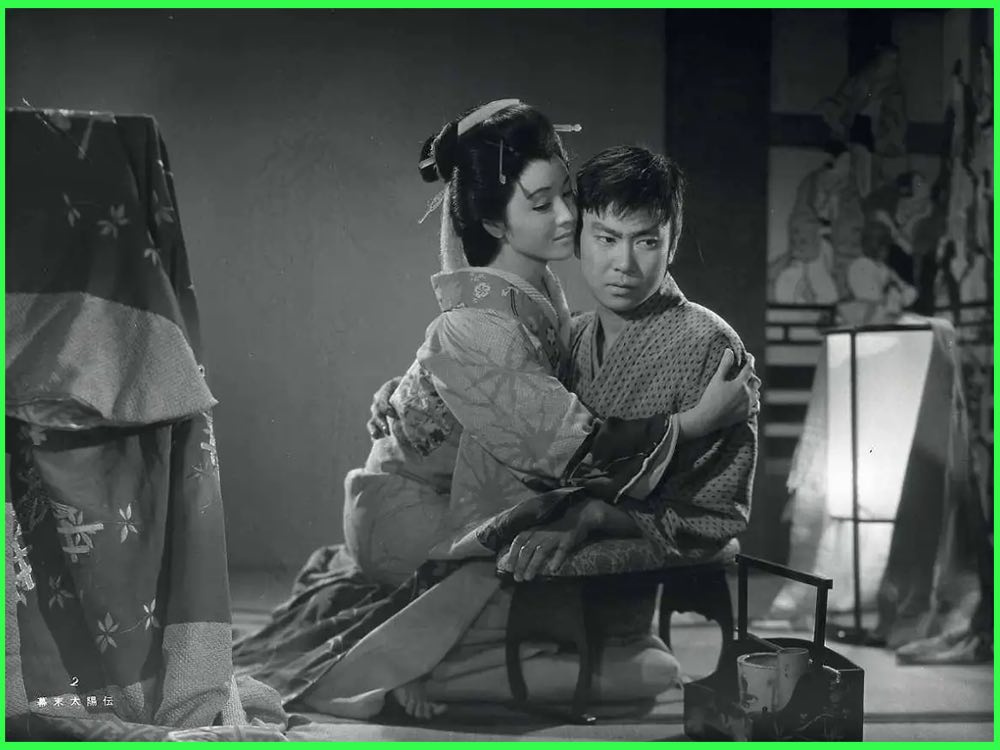
Sun in the Last Days of the Shogunate
The ensemble comedy masterpiece directed by Imamura’s mentor Yūzō Kawashima, co-written with Imamura and Keichi Tanaka offers a sly critique of the Meiji Restoration period, as the film exposes the encroachment of Westernisation in Japan, against rapidly dissipating ideas of honour and tradition, as sacred promises are ruptured, and deception offers the only turns to fortune.
Saturday 28 November, 3pm
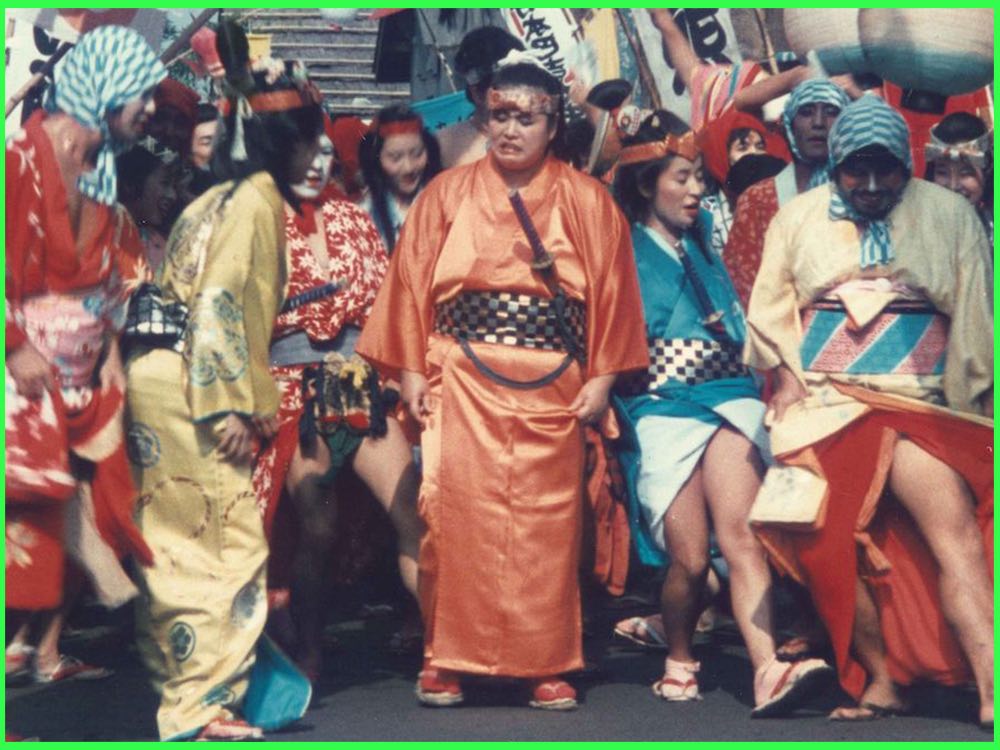
Eijanaika
The film’s title Eijanaika translates loosely to “Why not?”, referring to a collective popular movement marked by singing, dancing, and the chanting of “eijanaika” across Japan in the third year of Keio (1867). In characteristic freewheeling Imamura style, he renders the historical epic through an insect’s-eye view of history, privileging the perspectives of peasants, prostitutes, and the dispossessed as they are swept along by the tides of history.
Sunday 29 November, 4pm
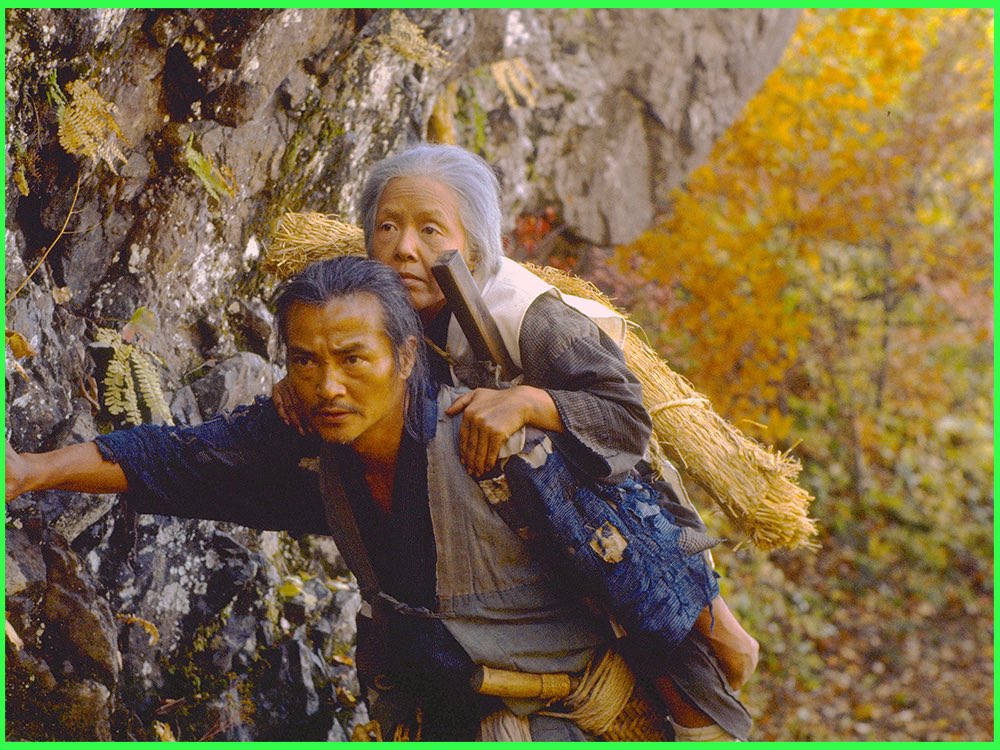
The Ballad of Narayama
Winner of the Palme d’Or at the 1983 Cannes Film Festival, The Ballad of Narayama is a visceral portrait of a nineteenth-century rural Japanese village governed by distinctive rituals that garter daily life. Like his previous films, The Insect Woman and Profound Desires of the Gods, Imamura takes the legend of Narayama as a way to explore, almost in anthropological detail, primordial values – shaped both by brutal primal instincts and profoundly human-made hierarchies – to make us question the bounds against which societies are defined.
Tuesday 1 December, 6.30pm
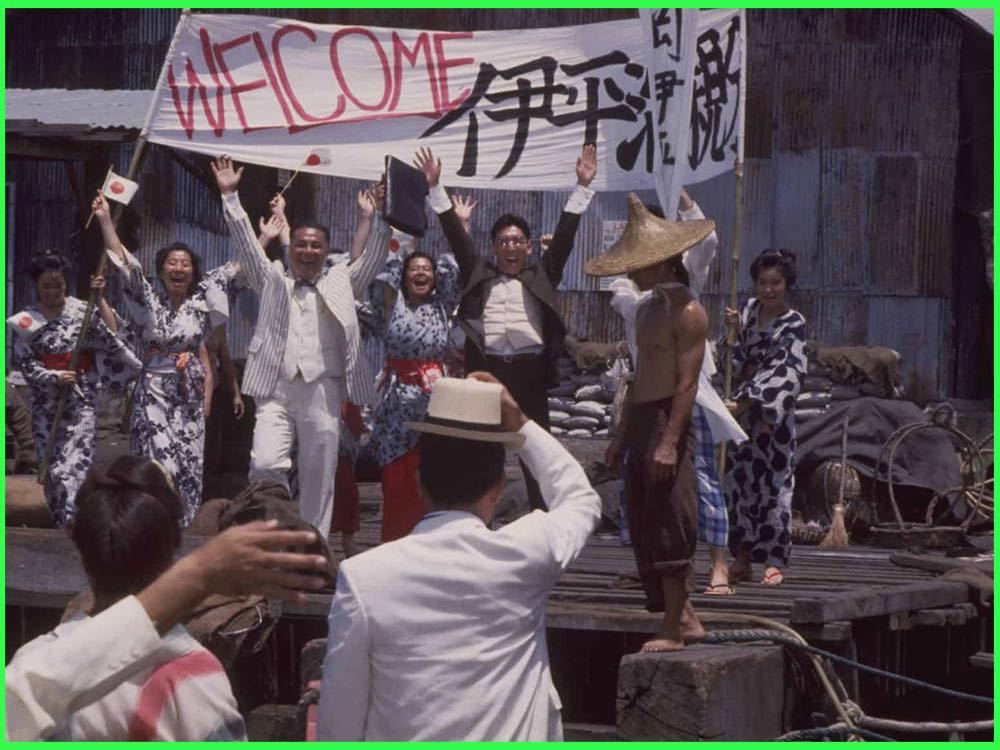
Zegen
“Japanese ‘comfort women’ were the first line of invasion prior to World War II,” Imamura notes in his earlier documentary Karayuki-san: The Making of a Prostitute. Zegen, Imamura’s only fiction film set entirely outside of Japan, explores this history through the true story of Iheiji Muraoka, a fervently patriotic pimp. Through Muraoka's perspective, the mordant satire exposes how the exploitation of prostitution served as an economic and military catalyst for Japan’s 20th-century imperial expansion across Asia.
Sunday 6 December, 2pm
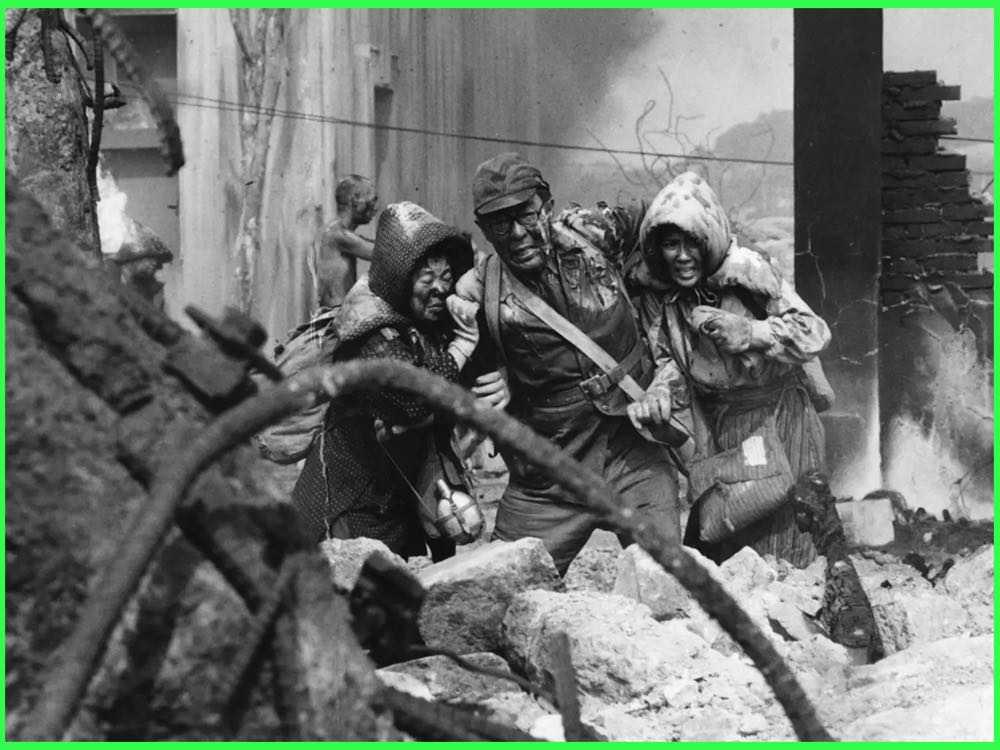
Black Rain
A haunting examination of the physical and psychological after-effects of the atomic bombing of Hiroshima, Black Rain confronts the enduring complexity of life as a hibakusha. Rendered through an intimate family narrative, the film follows a young survivor whose prospects of marriage are repeatedly thwarted by suitors’ fears that exposure to the “black rain” has left her irreparably contaminated.
Tuesday 8 December, 6.30pm
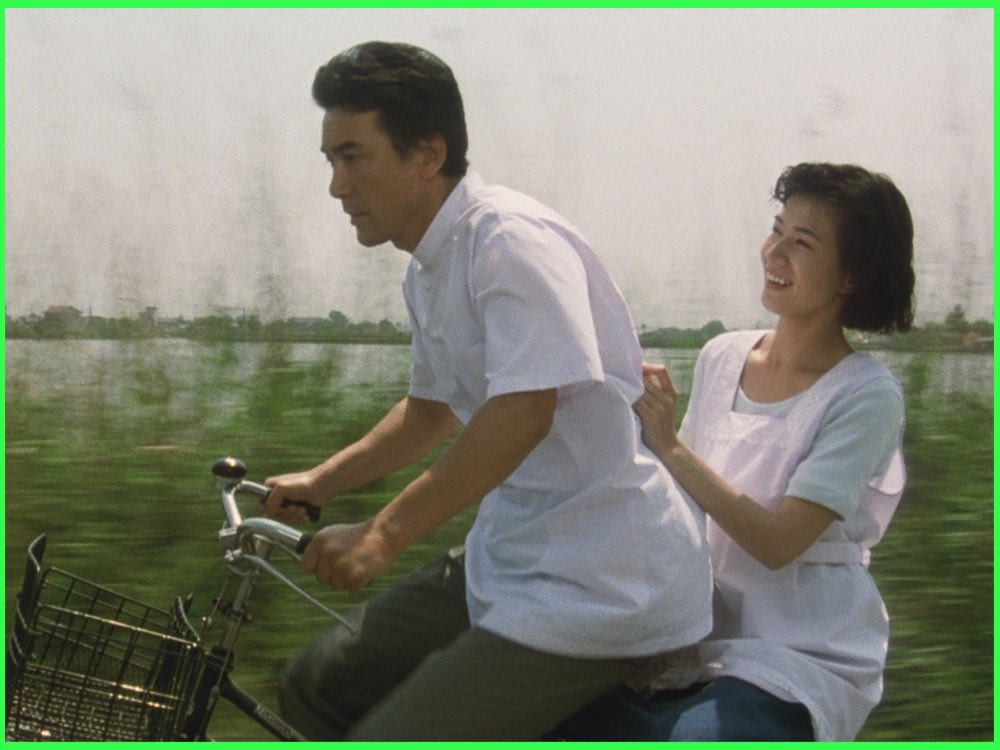
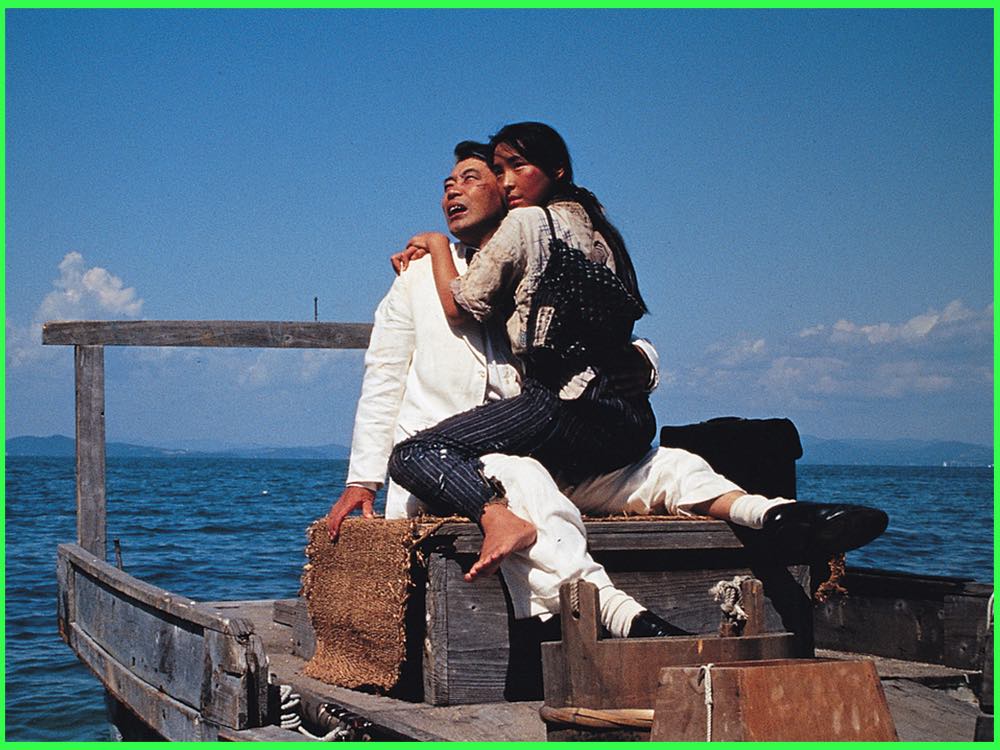
The Eel
Crowned with the Palme d’Or at Cannes in 1997 (shared with Abbas Kiarostami’s Taste of Cherry), The Eel made Imamura one of only ten filmmakers to have received the award twice. An unexpectedly tender tale of redemption, The Eel centres on a taciturn middle-aged man, who is released on parole after killing his wife and her lover in a fit of passion.
Thursday 10 December, 6.30pm
Dr. Akagi
Imamura’s jazz-inflected war comedy follows a zealous country doctor on a mission to combat hepatitis as a deadly outbreak threatens to overwhelm his seaside town in 1945. Tracking a single man’s winding odyssey, this penultimate feature—initially intended to be the director's swan song—is full of brilliant narrative deviations. It stands as a testament to Imamura's ability to constantly expand the boundaries of his characteristically complex and chaotic cinematic vision.
Sunday 13 December, 2pm
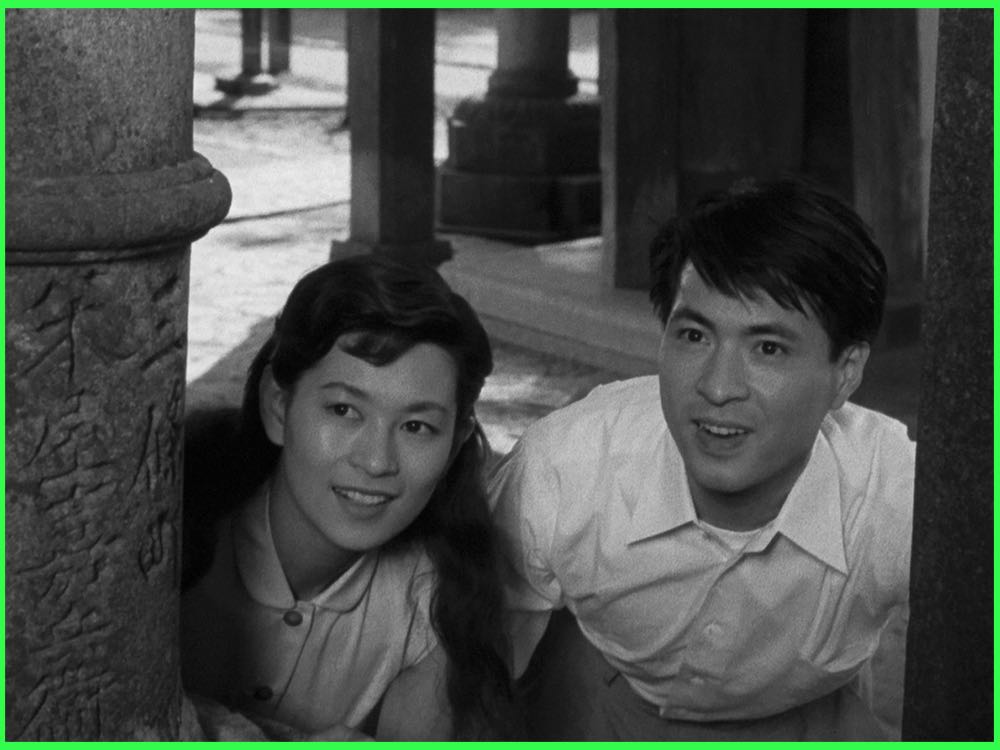
The Moon Has Risen
With a young Shōhei Imamura among her assistant directors, Kinuyo Tanaka crafts a tender, quietly playful portrait of three sisters navigating romance, family and changing expectations in postwar Nara.
Sunday 13 December, 4pm
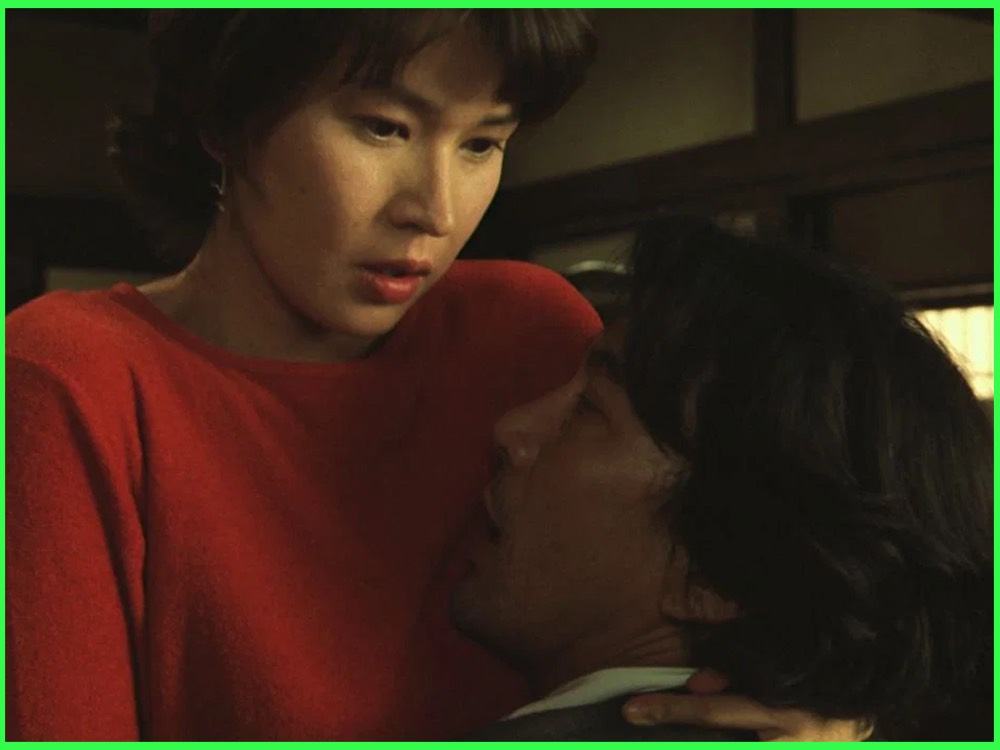
Warm Water Under a Red Bridge
Ending his career with a ribald romantic comedy, Imamura brings together Kōji Yakusho and Misa Shimizu again after The Eel. The magical realist narrative follows Yosuke – a busted Tokyo businessman – on his search for hidden treasure in a provincial fishing town. Here, he is led wayward by the promise of a new romance, blossoming from a distinctly outré, yet remarkably sensual, connection.