Jean-Luc Godard: Unmade and Abandoned
In the late 1990s and 2000s, Jean-Luc Godard had a series of unrealised projects with Claude Lanzmann, Bernard-Henri Lévy and Marcel Ophuls relating to the Holocaust, Jewishness and Palestine–Israel.
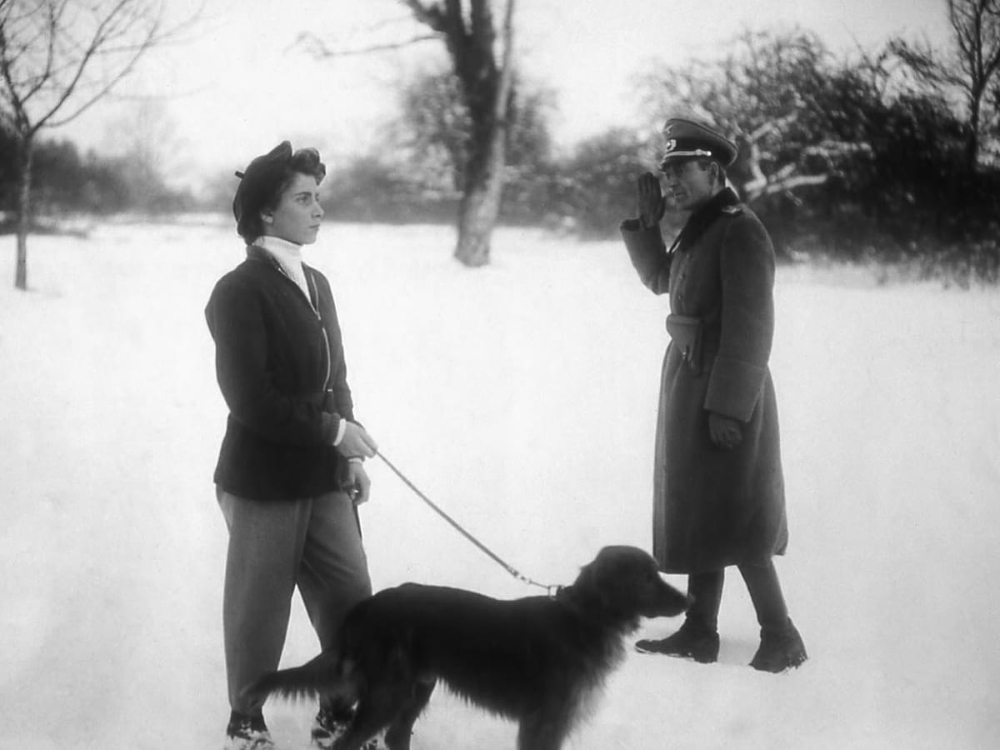
The first of these was a TV film titled Pas un dîner de gala (‘Not a gala dinner’) or Un fameux débat (‘A famous debate’) in which he, Lanzmann and Lévy were to debate the ethics of representing the Holocaust on film. Although it ended acrimoniously, the project informed a series of subsequent Godardian initiatives, including a contemporary version of Vercors’ 1942 World War II novel Le Silence de la mer (The Silence of the Sea), which Jean-Pierre Melville had adapted as his first feature. In Godard’s planned film, which was to be called Le Silence de la terre (The Silence of the Earth), the action was to be transposed from occupied France to occupied Palestine. He envisaged replacing Vercors’ German army officer billeted in a French home with a cultivated Israeli officer, intellectually close to Hannah Arendt or Martin Buber, living in a house with its Palestinian owners.
Although he once again abandoned this project, it fed into a new collaborative venture with Ophuls about Palestine, Israel and what it means to be Jewish, Être Juif (Being Jewish). Set in an apartment in the occupied territories, the plan was that they would film one another and attempt to resolve the Palestine–Israel conflict between them, ‘as if we had all the powers’, as Godard put it. Although this project also failed to take off, both it and Le Silence de la terre informed his luminous 2004 Sarajevo-set feature film Notre musique (Our Music), which in its initial formulation was much more explicitly focused on Palestine and Israel. Moreover, during filming, Godard attempted to get Ophuls to come to Sarajevo to deliver the lecture that he ended up giving himself in the film.
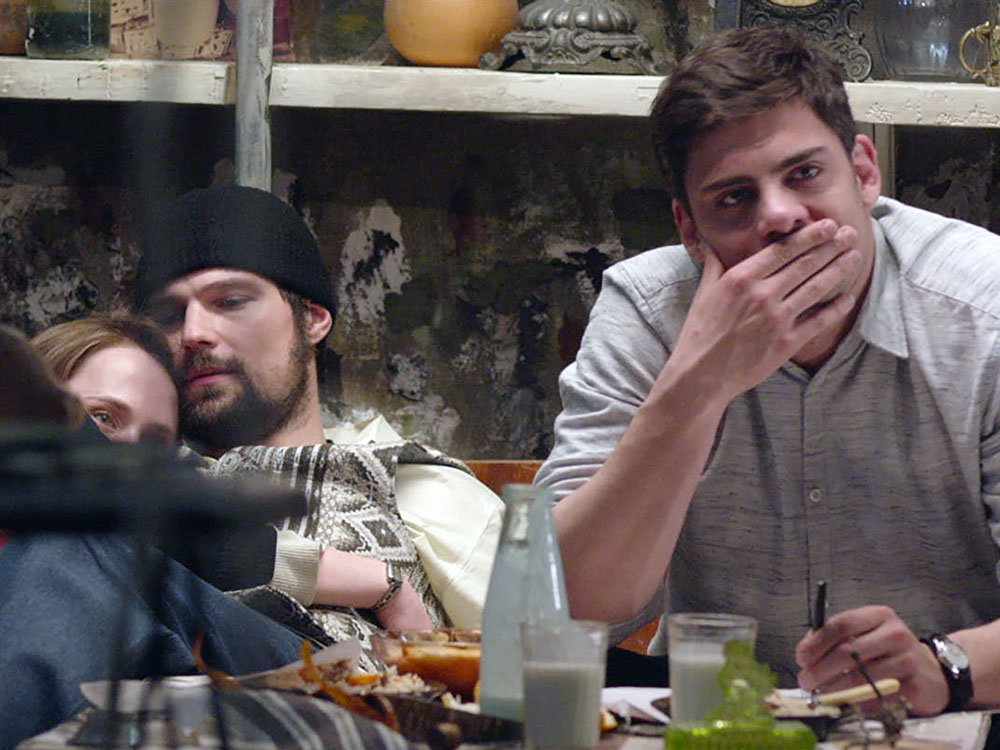
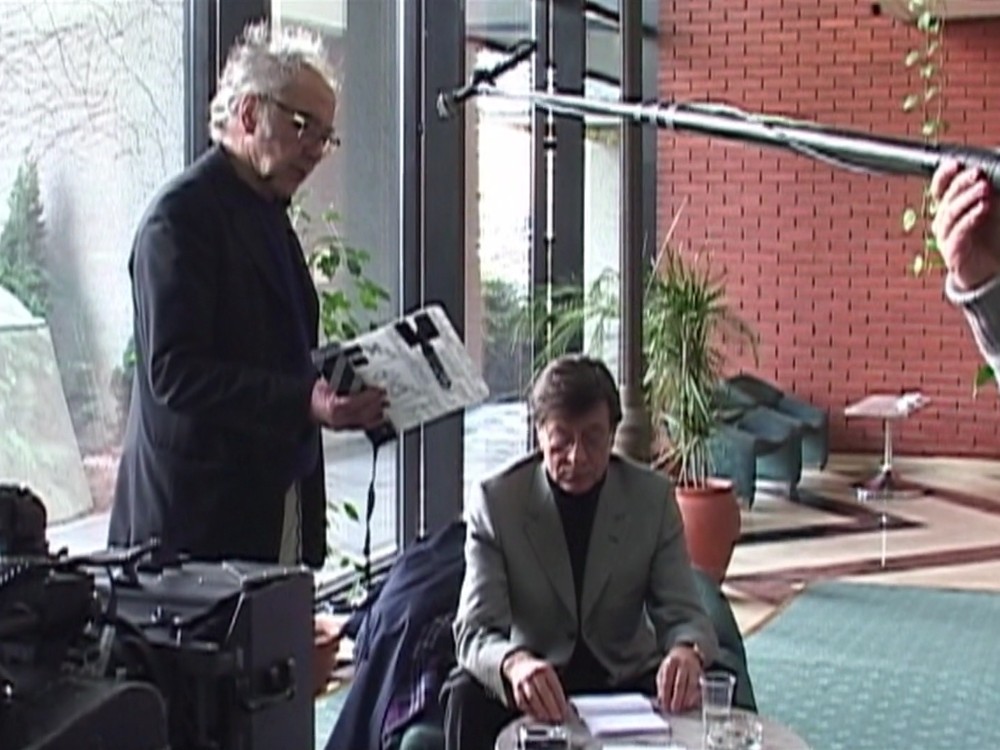
This programme also includes the stunning short film that Godard made in 1993 in protest at the refusal of European governments to take action over the siege of Sarajevo, Je vous salue, Sarajevo (Hail Sarajevo, 1993), and a further short, Notre musique/Séquence 23 (2020), that offers a fascinating glimpse of Godard at work during the filming of the celebrated interview sequence in Notre musique featuring the Palestinian poet Mahmoud Darwish. Notre musique/Séquence 23 was shot by Simone Bitton and edited by Godard’s nephew, Paul Grivas, who collaborated closely with his uncle from Notre musique onwards and now heads the Jean-Luc Godard Foundation.
We are delighted to welcome Paul Grivas to the ICA for this special event. He will introduce the screening and take part in a discussion afterwards with Michael Witt, followed by a Q&A.
Programme
Le Silence de la mer (The Silence of the Sea), dir. Jean-Pierre Melville, France 1949, 87 min
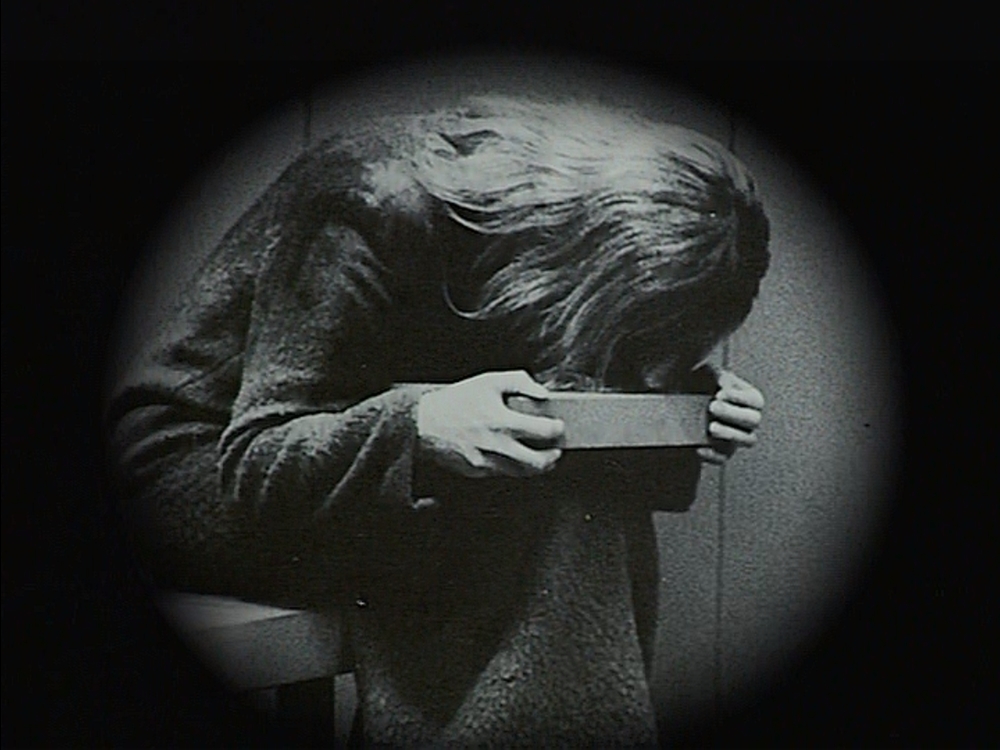
Je vous salue, Sarajevo (‘Hail, Sarajevo’), dir. Jean-Luc Godard, Switzerland 1993, 2 min
Notre musique (Our Music), dir. Jean-Luc Godard, France/Switzerland 2004, 80 min
Notre musique/Séquence 23, dir. Simone Bitton and Paul Grivas, France 2020, 11 min
In the late 1990s and 2000s, Jean-Luc Godard had a series of unrealised projects with Claude Lanzmann, Bernard-Henri Lévy and Marcel Ophuls relating to the Holocaust, Jewishness and Palestine–Israel.
The first of these was a TV film titled Pas un dîner de gala (‘Not a gala dinner’) or Un fameux débat (‘A famous debate’) in which he, Lanzmann and Lévy were to debate the ethics of representing the Holocaust on film. Although it ended acrimoniously, the project informed a series of subsequent Godardian initiatives, including a contemporary version of Vercors’ 1942 World War II novel Le Silence de la mer (The Silence of the Sea), which Jean-Pierre Melville had adapted as his first feature. In Godard’s planned film, which was to be called Le Silence de la terre (The Silence of the Earth), the action was to be transposed from occupied France to occupied Palestine. He envisaged replacing Vercors’ German army officer billeted in a French home with a cultivated Israeli officer, intellectually close to Hannah Arendt or Martin Buber, living in a house with its Palestinian owners.
Although he once again abandoned this project, it fed into a new collaborative venture with Ophuls about Palestine, Israel and what it means to be Jewish, Être Juif (Being Jewish). Set in an apartment in the occupied territories, the plan was that they would film one another and attempt to resolve the Palestine–Israel conflict between them, ‘as if we had all the powers’, as Godard put it. Although this project also failed to take off, both it and Le Silence de la terre informed his luminous 2004 Sarajevo-set feature film Notre musique (Our Music), which in its initial formulation was much more explicitly focused on Palestine and Israel. Moreover, during filming, Godard attempted to get Ophuls to come to Sarajevo to deliver the lecture that he ended up giving himself in the film.
This programme also includes the stunning short film that Godard made in 1993 in protest at the refusal of European governments to take action over the siege of Sarajevo, Je vous salue, Sarajevo (Hail Sarajevo, 1993), and a further short, Notre musique/Séquence 23 (2020), that offers a fascinating glimpse of Godard at work during the filming of the celebrated interview sequence in Notre musique featuring the Palestinian poet Mahmoud Darwish. Notre musique/Séquence 23 was shot by Simone Bitton and edited by Godard’s nephew, Paul Grivas, who collaborated closely with his uncle from Notre musique onwards and now heads the Jean-Luc Godard Foundation.
We are delighted to welcome Paul Grivas to the ICA for this special event. He will introduce the screening and take part in a discussion afterwards with Michael Witt, followed by a Q&A.
Programme
Le Silence de la mer (The Silence of the Sea), dir. Jean-Pierre Melville, France 1949, 87 min
Je vous salue, Sarajevo (‘Hail, Sarajevo’), dir. Jean-Luc Godard, Switzerland 1993, 2 min
Notre musique (Our Music), dir. Jean-Luc Godard, France/Switzerland 2004, 80 min
Notre musique/Séquence 23, dir. Simone Bitton and Paul Grivas, France 2020, 11 min
04:00 pm
Sat, 18 Jul 2026
Cinema 1
Ticket information
- All tickets that do not require ID (full price, disabled, income support) can be printed at home or stored in email
- For aged-based concession tickets (under 25, student) please bring relevant ID to collect at the front desk before the event.
Access information
Cinema 1
- Both our Cinemas have step free access from The Mall and are accessible by ramp
- We have 1 wheelchair allocated space with a seat for a companion
- All seats are hard back, have a crushed velvet feel and they do not recline
- These are our seat size dimensions: W 42 x D 45 x H 52
- Arm rest either side of the seat dimensions: L 27 x W 7 x H 20
for the following requirements:
- We have unassigned seating. If you require a specific seat, please reserve this in advance
- Free for visitors where ticket prices are a barrier, please email
All films are ad-free and 18+ unless otherwise stated, and start with a 10 min. curated selection of trailers.
Members+ and all Patrons gain free entry to all cinema screenings, exhibitions, talks, and more.
Join today as a Member+ for £25/month.